Understanding Hair Transplants
In recent years, the search for effective solutions to hair loss has seen a surge in popularity, particularly with the advancement of hair transplant technologies. Hair transplants have become an increasingly viable option for both men and women suffering from various types of hair loss. By relocating healthy hair follicles from a donor area to regions experiencing thinning or balding, individuals can achieve a fuller head of hair. When exploring options, Hair Transplant offers comprehensive insights into the specifics of this procedure.
What Is a Hair Transplant?
A hair transplant is a surgical procedure designed to address hair loss by moving hair follicles from one area of the body (the donor site) to another (the recipient site). This method effectively utilizes the natural properties of hair that is resistant to thinning, usually found at the back or sides of the scalp. The results are permanent and maintain a natural look, as the transplanted hair grows in a similar fashion to the original hair.
How Hair Transplants Work
The procedure typically involves two main techniques: Follicular Unit Extraction (FUE) and Follicular Unit Transplantation (FUT). Both methods aim to relocate hair follicles, but they differ significantly in how they harvest the hair. Understanding these techniques helps potential candidates make informed decisions regarding their hair restoration journey.
Types of Hair Transplant Techniques
- Follicular Unit Extraction (FUE): This method involves extracting individual follicular units directly from the scalp using a specialized tool. It offers minimal scarring, making it ideal for those who prefer shorter hairstyles.
- Follicular Unit Transplantation (FUT): Known as the strip method, FUT involves removing a strip of scalp from the donor area, which is then divided into individual grafts. This method can yield a higher number of grafts in a single session.
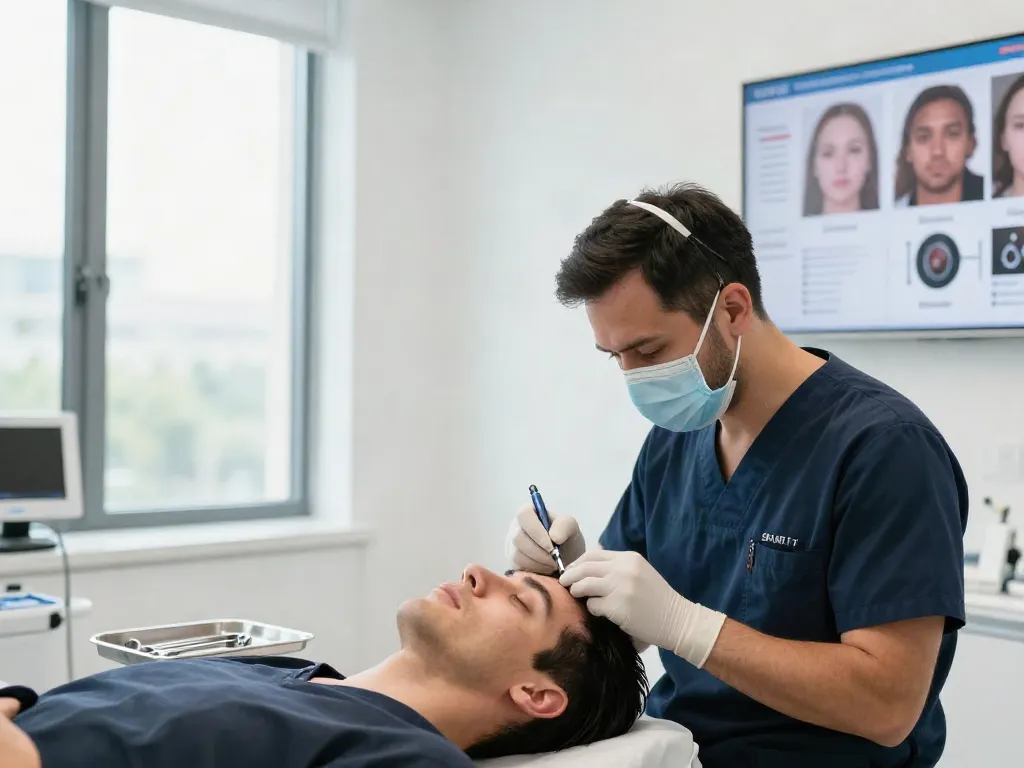
- Direct Hair Implantation (DHI): An advanced method that combines extraction and implantation in one step using a specialized pen-like tool, allowing for greater control over the depth and direction of the implanted hair.
- Robotic Hair Transplant: This innovative technique utilizes robotic systems to assist with follicle extraction, ensuring precision and consistency, especially in larger sessions.
SMART™ FUE: The Advanced Method
The SMART™ FUE technique represents a significant leap forward in hair restoration, combining traditional FUE methods with advanced technology. This proprietary method developed by experienced surgeons ensures a minimally invasive approach with outstanding aesthetic outcomes.
Benefits of SMART™ FUE
- Natural-looking results: The strategic placement of follicles achieves a naturally dense appearance.
- Minimal scarring: Unlike traditional methods, the small punch tool used in FUE leaves only tiny, nearly invisible scars.
- Shorter recovery time: Patients typically experience quicker healing and can return to their daily activities almost immediately.
Step-by-Step Procedure
- Consultation: A thorough evaluation by a qualified surgeon helps determine the appropriate technique and assess donor hair availability.
- Preparation: The donor area is prepared and local anesthesia is administered.
- Extraction: Hair follicles are extracted from the donor area using the FUE method.
- Placement: Grafts are meticulously placed in the recipient area to achieve the desired hairline and density.
- Post-Operation Care: Post-operative instructions are provided to ensure optimal healing and results.
Real-Life Success Stories
Many individuals have successfully transformed their appearance and self-esteem through hair transplants. Sharing testimonials and before-and-after photos can provide hope and insight to potential candidates, highlighting the effectiveness of the SMART™ FUE method in achieving natural, lasting results.
Cost Factors of Hair Transplants in Malaysia
The cost of a hair transplant in Malaysia can vary significantly depending on multiple factors, including the technique used, the number of grafts required, and the specific clinic chosen for the procedure. Understanding these factors can help potential patients plan their hair restoration journey effectively.
Average Pricing and Financing Options
Hair transplant costs generally range from RM8,000 to RM30,000 in Malaysia, translating to RM5–15 per graft. This pricing is notably lower compared to similar procedures in the US and Europe, making Malaysia an attractive destination for hair restoration. Clinics like GLOJAS Specialist Clinic offer transparent pricing and a variety of financing options to accommodate different budgets.
Comparing Costs Across Techniques
When evaluating different hair transplant techniques, it is essential to consider the cost implications of each method. FUE may be more expensive per graft, while FUT could potentially provide a higher number of grafts at a lower overall price.
Insurance Considerations
Typically, hair transplants are classified as cosmetic procedures and are not covered by insurance plans, except in cases where hair restoration is deemed medically necessary, such as after trauma. Patients should consult their insurance providers for specifics regarding coverage.
Assessing Candidacy for Hair Transplants
Determining candidacy for a hair transplant involves assessing individual hair loss patterns, donor hair availability, and overall health. A thorough consultation with a qualified surgeon is crucial in this process.
Who Is a Good Candidate?
Good candidates for hair transplants generally include those with:
- Stable hair loss patterns.
- A sufficient donor supply of healthy hair follicles.
- Realistic expectations about the results of the procedure.
Consultation Process Explained
During the consultation, the surgeon will evaluate the patient's hair loss pattern, discuss medical history, and determine the most suitable technique. This is also an opportunity for patients to ask questions and express their desired outcomes.
Common Myths and Misconceptions
Various myths about hair transplants can discourage potential candidates. For instance, misconceptions about pain levels, recovery time, and results can create unnecessary fear. It's essential to provide accurate information to help patients make informed choices.
Future Trends in Hair Restoration
As technology continues to advance, the field of hair restoration is evolving at a remarkable pace. Future trends point towards enhanced techniques and innovations that promise even better results for patients.
Emerging Technologies and Techniques
Research into stem cell therapy and the use of growth factors in hair restoration is ongoing, potentially leading to breakthroughs that could enhance graft survival and hair growth rates.
Patient Expectations for 2026 and Beyond
With emerging technologies, patients can expect higher levels of customization, improved graft survival rates, and shorter recovery times, making hair restoration options even more appealing.
Expert Insights and Predictions
Experts in the field predict an increase in demand for minimally invasive procedures and a shift towards more natural-looking results, reflecting the evolving standards of aesthetics in hair restoration.
What Are the Risks Involved?
Like any medical procedure, hair transplants carry risks, including infection, scarring, and unnatural-looking results if not performed correctly. Understanding these risks is vital for candidates considering the procedure.
How Long Will Results Last?
The results of a hair transplant are generally permanent, as the transplanted hair follicles retain their resistance to thinning. However, patients may continue to experience hair loss in non-transplanted areas if they do not seek ongoing hair loss treatment.