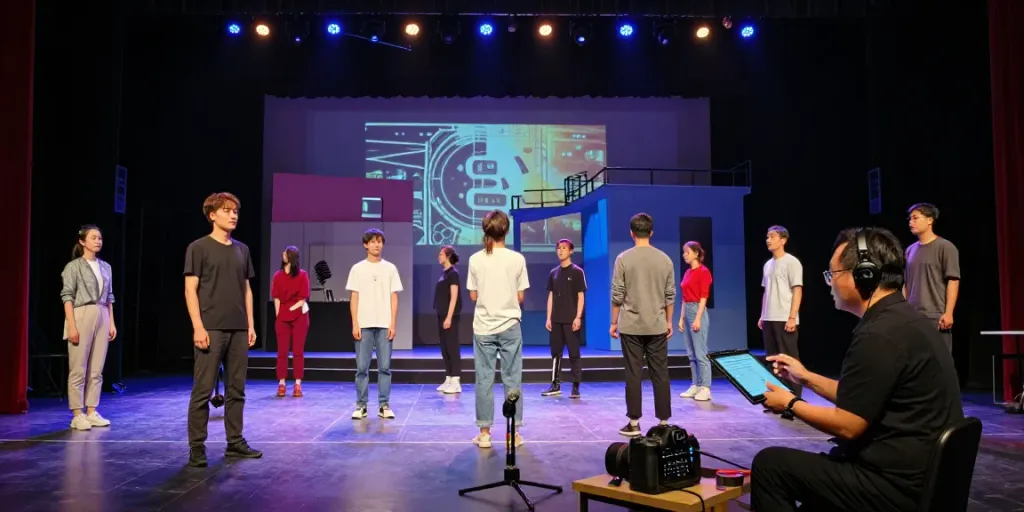
Understanding Innovation in Theatre
Innovation within the realm of theatre is a multifaceted concept that continually evolves, aiming to captivate audiences and elevate their experiences. As we step into a new era marked by technological advances and shifting cultural narratives, it becomes essential to dissect the true meaning of innovation in the performing arts. From the integration of cutting-edge tools to the reimagining of traditional methodologies, innovation in theatre has the potential to transform not only how stories are told but also who gets to tell them. When exploring options, innovation in theatre has become an essential aspect that ignites discussions on accessibility, audience engagement, and the future of live performances.
Defining What Innovation Means in Performing Arts
At its core, innovation in theatre encompasses the creation and integration of new ideas, methods, or technologies that enhance the storytelling process. This can range from the adoption of digital tools for scriptwriting to the exploration of immersive experiences employing virtual or augmented reality. The goal is to engage audiences in ways that were previously unattainable, thus enriching their connection to the performances. Moreover, innovation drives inclusivity, ensuring that diverse voices and narratives are represented on stage.
The Role of Technology in Modern Theatre
Technology plays a pivotal role in modern theatre, reshaping everything from production management to audience interaction. Digital innovations such as projection mapping and advanced sound design techniques allow for more dynamic and visually compelling storytelling. Additionally, software applications tailored specifically for theatre professionals streamline processes like stage management, allowing creators to focus more on artistry and less on logistics. The integration of technology not only modernizes traditional practices but also opens avenues for experimental forms of theatre that can redefine audience expectations.
Challenges Faced by Traditional Theatre Practices
Despite the advancements, traditional theatre practices often confront significant challenges when integrating innovation. Resistance to change from established institutions and audiences accustomed to conventional performances can hinder progress. Additionally, financial constraints may limit the ability to invest in new technologies or training for staff. The challenge lies in balancing the rich heritage of theatre with the necessity for evolution, all while ensuring that artistic integrity is maintained.
Essential Tools for Theatre Professionals
Top Apps for Production Management
In the fast-paced world of theatre production, effective management tools are indispensable. Applications such as Stage Management Software assist in organizing schedules, budgets, and communication among cast and crew, ensuring that everyone is aligned towards a successful performance. Other noteworthy tools include QLab for sound and video design, and Showfax for script management, allowing seamless collaboration and execution of creative vision.
Innovative Techniques for Sound Design
Sound design is a crucial element of theatre that has seen remarkable innovations. The use of spatial audio technology enables sound designers to create immersive auditory experiences that complement visual storytelling. Tools such as Pro Tools and Adobe Audition offer advanced features for sound manipulation, allowing designers to layer effects and craft unique soundscapes that resonate with audiences on an emotional level.
Enhancing Lighting with Technology
Lighting technology has dramatically evolved, expanding the creative possibilities available to designers. The use of LED lighting systems and smart control devices allows for more precise and varied light effects. Software such as Vectorworks and Lightwright provides comprehensive solutions for lighting design, enabling professionals to visualize and implement their concepts effectively.
Accessibility and Innovation in Theatre
Benefits of Captioning and Audio Descriptions
Accessibility in theatre is of paramount importance, as it ensures that all audiences can enjoy performances regardless of their abilities. Technologies that provide captions and audio descriptions not only enhance the experience for individuals with hearing and vision impairments but also create a more inclusive environment. By embracing these innovations, theatres can expand their reach and foster a diverse audience base.
Mobile Surtitles: Bringing Narration to Smartphones
Mobile surtitles are revolutionizing how performances are experienced, allowing audiences to access translations and additional context via their smartphones. This technology is particularly beneficial for multilingual productions, as it caters to diverse audiences without compromising the integrity of the performance. The convenience and accessibility offered by mobile surtitles signify a significant step forward in inclusive theatre practices.
Creating Inclusive Environments for All Audiences
A commitment to accessibility not only broadens audience participation but also enriches the overall theatrical landscape. The integration of adaptive technologies, such as hearing loops and tactile experiences, allows theatres to cater to various needs, enhancing the social and cultural relevance of performances. By prioritizing inclusivity, theatres can foster a sense of community and shared experience among diverse groups.
Future Trends in Theatre Innovations for 2026
The Impact of Virtual and Augmented Reality
The advent of virtual and augmented reality presents exciting opportunities for theatre. These technologies can transport audiences into immersive worlds, allowing them to interact with narratives in unprecedented ways. As production costs decrease and the technology becomes more accessible, the integration of VR and AR into live performances is expected to grow significantly, leading to entirely new forms of storytelling.
Emerging Technologies Shaping Live Performances
Innovations in artificial intelligence (AI) and machine learning are also beginning to influence the theatre industry, from script analysis to personalized audience experiences. Tools that leverage AI can assist playwrights in generating ideas or even drafting scripts, while data analytics can help producers understand audience preferences and tailor performances accordingly. These emerging technologies will undoubtedly shape the future landscape of theatre.
Predictions for Audience Engagement Strategies
In the coming years, theatre companies will likely place a greater emphasis on audience engagement strategies that transcend the traditional boundaries of the stage. Social media integration, interactive performances, and audience participation initiatives are set to become more commonplace, encouraging deeper connections between performers and spectators. As engagement becomes a focal point, theatres will evolve into collaborative spaces where audience members can contribute to the creative process.
Case Studies and Success Stories
Innovative Productions Redefining the Genre
Several recent productions have exemplified the potential of innovation in theatre. For instance, the immersive approach seen in shows like Sleep No More has transformed the way narrative is conveyed, allowing audiences to wander through the story and engage with characters in a non-linear fashion. Such productions challenge traditional storytelling and highlight the role of the audience as active participants.
Collaborations Between Artists and Tech Developers
The collaboration between artists and technology developers is crucial in driving innovation. Initiatives like the Theatre Arts Program at MIT showcase how creative minds can come together to explore and experiment with new technologies, resulting in groundbreaking work that elevates the theatrical experience. These partnerships are vital for pushing boundaries and fostering a culture of experimentation.
Real-World Applications of New Theatre Technologies
Many theatres are already implementing new technologies with significant success. For example, the use of projection mapping in productions has created visually stunning environments that enhance storytelling. Companies that invest in training their staff to use these technologies effectively are seeing positive feedback from audiences and critics alike, demonstrating the tangible benefits of embracing innovation.
What are some examples of innovation in theatre?
Examples include the use of immersive experiences, interactive performances, and mobile technologies that make theatre more accessible. Innovations in sound and lighting design, as well as the integration of virtual reality, are also noteworthy trends shaping contemporary theatre.
How does technology impact live performances?
Technology enhances the storytelling experience by enabling more dynamic soundscapes, immersive visuals, and accessible formats for all audience members. It provides new avenues for creativity and audience engagement, ultimately transforming traditional performance dynamics.
What tools are essential for stage management?
Essential tools for stage management include production management software, scheduling applications, and communication platforms that facilitate collaboration among cast and crew. Effective tools empower stage managers to maintain order and ensure seamless operations during performances.
How can theatre be made more accessible?
Theatre can be made more accessible through the implementation of captioning services, audio descriptions, and adaptive technologies that cater to various audience needs. By prioritizing inclusivity in production design and promoting accessible performances, theatres can reach broader demographics.
What are the latest trends in theatre innovation?
Current trends in theatre innovation include the integration of AI, mobile technologies, immersive experiences, and enhanced audience engagement strategies. As the industry progresses, staying abreast of these trends is crucial for theatre professionals seeking to remain relevant and impactful.