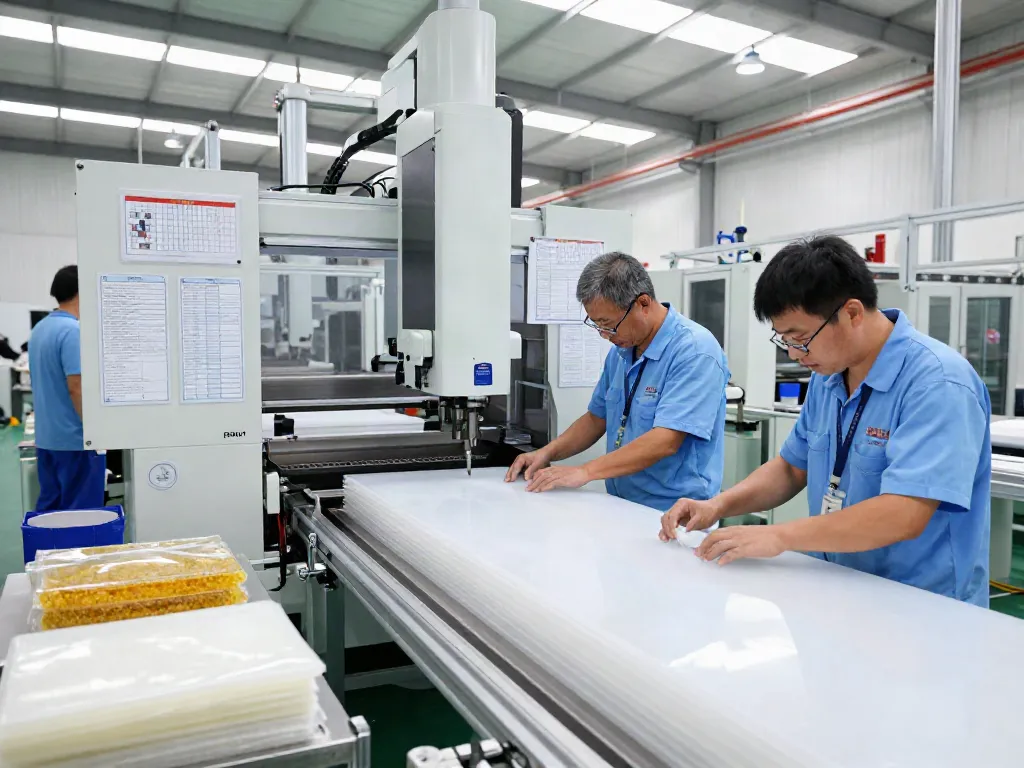
Understanding Engineered Composites in the Industry
Engineered Composites represents a significant advancement in manufacturing technology, integrating performance and versatility across various sectors. As businesses increasingly seek materials that offer durability yet remain lightweight, Glass Reinforced Plastic (GRP) has emerged as a frontrunner. This material combines strength with unique properties, making it a preferred choice for industries such as construction, marine, and telecommunications. When exploring options, Engineered Composites provides comprehensive insights into the advantages and applications of GRP, reinforcing its status as a leading supplier in the UK.
What are Engineered Composites?
Engineered composites are advanced materials formed by combining two or more constituent materials with significantly different physical or chemical properties. The resultant composite demonstrates unique characteristics not found in the individual components. GRP, as a subtype of engineered composites, consists of a polymer matrix reinforced with glass fibers. This combination yields materials that are not only lightweight but also exhibit high strength, excellent corrosion resistance, and minimal thermal conductivity.
The Role of GRP in Modern Manufacturing
In the modern manufacturing landscape, GRP plays a crucial role due to its versatility and performance benefits. It's utilized in various applications, ranging from construction and infrastructure to maritime and automotive industries. The lightweight nature of GRP contributes to reduced transportation costs and easier handling during installation. Moreover, its resistance to environmental factors ensures a longer service life, making it a cost-effective solution for manufacturers seeking to improve operational efficiencies.
Applications Across Different Sectors
GRP’s adaptability allows it to serve a myriad of industries. In construction, it is employed for grating, handrails, and decking, providing safe and durable structures. The marine sector utilizes GRP for boat components due to its resistance to water and corrosion. Additionally, its application in telecommunications infrastructure offers sturdy and reliable materials that withstand harsh environmental conditions. Thus, the demand for GRP products continues to grow steadily across various sectors.
Advantages of Using Engineered Composites Products
How GRP Outperforms Traditional Materials
When comparing GRP to traditional materials such as steel and aluminum, several distinct advantages emerge. GRP is significantly lighter, which allows for easier installation and less strain on supporting structures. This superior weight-to-strength ratio enables more efficient designs and applications where traditional materials may falter. Furthermore, the natural resistance of GRP to corrosion translates to lower maintenance costs and extended product lifespan, essential for sectors like marine and wastewater management.
Benefits of Lightweight and Corrosion-Resistant Properties
The lightweight nature of GRP can reduce overall transportation and installation costs, as crews can manage these materials more easily than heavier alternatives. Additionally, GRP's resistance to corrosion and environmental degradation means that structures can endure exposure to harsh elements without compromising integrity. This characteristic is particularly valuable in environments where metal products would typically rust or corrode, such as coastal areas or chemical processing plants.
Cost-Effectiveness and Long-Term Durability
Investing in GRP materials from reputable suppliers like Engineered Composites translates to greater long-term savings. With a lifespan exceeding 50 years under appropriate conditions, GRP products reduce the need for frequent replacements, minimizing lifecycle costs. Furthermore, the lack of maintenance requirements—such as the need for painting or galvanization—improves the overall cost-effectiveness of projects utilizing GRP.
Quality Assurance in Engineered Composites Manufacturing
ISO Certifications and Compliance Standards
Quality assurance is paramount in the manufacturing of GRP products. Engineered Composites adheres to strict ISO 9001 standards, ensuring that every product meets rigid quality requirements. These certifications not only enhance product reliability but also foster customer confidence in the durability and safety of GRP products. Compliance with British and international standards guarantees that the products are fit for use across different applications.
Internal Testing and Quality Control Practices
Beyond certifications, rigorous internal testing procedures are critical in maintaining quality standards. Engineered Composites conducts thorough testing to evaluate fire resistance, tensile strength, and resistance to environmental conditions. This proactive approach ensures consistency in performance and longevity, reducing issues that may arise post-installation.
Client Feedback and Performance Metrics
Another vital aspect of quality assurance is client feedback and performance metrics. Engineered Composites actively solicits and analyzes customer reviews and performance reports, allowing for continuous improvement in product offerings. This customer-centric approach has solidified its reputation as a top-rated GRP supplier in the UK.
Applications and Best Practices for Engineered Composites
Installation and On-Site Modifications
One of the standout features of GRP is its adaptability during installation. GRP materials can be easily cut or drilled on site using standard tools, thus facilitating custom modifications as required. This flexibility allows contractors to adjust installations to fit specific project needs efficiently, saving both time and resources.
Suitability for Structural Applications and Regulations
GRP products from Engineered Composites are engineered to meet or exceed structural performance standards. With products designed to comply with BS EN 13706 E23 grades, these materials are suitable for load-bearing applications in demanding environments. Their lightweight nature combined with high mechanical strength makes them ideal for structural systems requiring optimal safety and performance.
Maintenance Requirements for Longevity
The maintenance needs of GRP products are minimal compared to traditional materials. Occasional cleaning with mild detergents is all that is generally required to keep GRP structures in good condition. This advantage greatly benefits businesses looking to reduce ongoing operational costs while ensuring compliance with safety regulations.
Future Trends and Innovations in Engineered Composites
Sustainable Manufacturing Practices in 2026
The future of engineered composites is leaning heavily toward sustainability. With a growing emphasis on reducing carbon footprints, manufacturers are adopting more eco-friendly practices. This includes utilizing recycled materials and optimizing production methods to minimize energy consumption. Engineered Composites is committed to leading this charge, ensuring their products contribute positively to sustainability goals.
Emerging Technologies and Material Developments
As technology continues to advance, new materials and processes are entering the engineered composites realm. Innovations such as bio-resins and advanced fiber arrangements promise to enhance the performance characteristics of GRP, making it even more attractive for various applications. Staying abreast of these developments will be crucial for engineers and manufacturers aiming to leverage the benefits of engineered composites fully.
Forecasting Demand and Market Growth Opportunities
Market analysis indicates that the demand for GRP products is set to rise significantly in the coming years. With many industries adopting GRP materials for their superior properties, opportunities for growth will expand. Companies that position themselves as leaders in GRP manufacturing and supply will find the greatest success as awareness of the benefits of engineered composites continues to spread.
What are Engineered Composites and their benefits?
Engineered composites, particularly GRP, provide an innovative solution for modern manufacturing needs. Their reduced weight, high strength, and resistance to harsh conditions make them advantageous for various applications. These products not only deliver excellent performance but also align with sustainability goals, making them a forward-thinking choice for today’s industries.
How do Engineered Composites meet safety standards?
Engineered composites are rigorously tested to meet safety standards set by organizations like ISO and BS EN. These standards aim to ensure the materials are safe for public use, particularly in applications where safety is of utmost concern, such as structures subjected to heavy loads or high temperatures.
Can Engineered Composites be customized for specific projects?
Yes, one of the significant advantages of GRP is its ability to be customized. Engineered Composites can tailor sizes, shapes, and configurations to meet specific project requirements, enhancing functionality while maintaining safety and compliance standards.
What types of industries utilize Engineered Composites?
Industries that frequently utilize engineered composites include construction, marine, automotive, telecommunications, and wastewater management. The versatility of GRP makes it applicable in any sector that requires durable, lightweight, and corrosion-resistant materials.
How does the lifespan of Engineered Composites compare to other materials?
Engineered composites like GRP generally offer a significantly longer lifespan than traditional materials, often exceeding 50 years. This durability, coupled with minimal maintenance requirements, makes them a cost-effective choice for long-term investments in infrastructure and commercial applications.