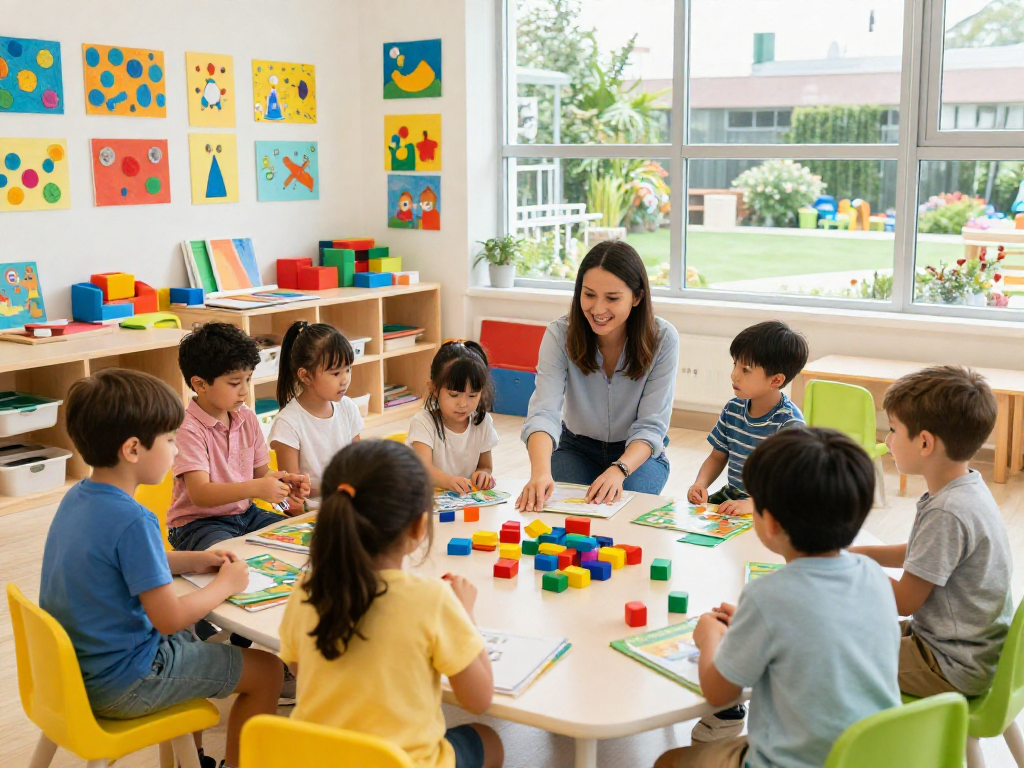
Understanding the Importance of International Kindergartens
In today’s globalized world, the significance of early childhood education has taken center stage. Parents are increasingly recognizing that the foundational years of development—ages 18 months to 6 years—are crucial for lifelong success. International kindergartens, such as Pegasus International Preschool in Singapore, offer a unique blend of educational strategies designed to cater to the diverse needs of young learners. They equip children not only with academic skills but also essential life skills that encourage curiosity and creativity.
What Sets International Kindergartens Apart from Local Schools?
International kindergartens distinguish themselves through their diverse curriculum, which often incorporates multiple languages, cultural exchanges, and a holistic approach to education. Unlike traditional local schools, which may emphasize rote learning, international kindergartens focus on inquiry-based learning, allowing children to explore and learn through their natural curiosity. This method fosters a deeper understanding of subjects and encourages critical thinking. Moreover, international institutions frequently employ a culturally diverse teaching staff, reflecting the global environment in which children will eventually operate.
The Benefits of Multilingual Education in Early Years
One of the standout features of international kindergartens is their multilingual approach to education. This exposure offers numerous cognitive and social advantages. Children enrolled in multilingual programmes often develop better problem-solving skills and enhanced cognitive abilities. For instance, at Pegasus International Preschool, children learn in English, Mandarin, and Japanese, which not only prepares them for a multicultural world but also facilitates adaptability and communication in diverse environments.
Components of a Quality International Kindergarten Curriculum
A robust curriculum is fundamental to a child's development in an international kindergarten. When exploring options, international kindergarten Singapore provides comprehensive insights into what constitutes a high-quality educational experience.
Core Subjects in International Kindergarten Singapore
The core subjects in a quality international kindergarten curriculum often include language arts, mathematics, science, and social studies. However, unlike traditional settings, the emphasis is placed on interactive learning experiences rather than passive absorption of information. Children engage in hands-on activities that spark interest and promote a genuine love of learning. Teachers utilize thematic units that integrate multiple subjects, allowing children to make connections and apply their knowledge in real-world contexts.
Incorporating Arts and Culture in Early Learning
Art and culture play a vital role in the curriculum of international kindergartens. Engaging in artistic activities not only nurtures creativity but also enhances emotional expression and social interaction. Programs often include music, visual arts, and dance, allowing children to explore different cultural perspectives. This exposure cultivates appreciation for diversity and encourages children to celebrate differences, fostering a harmonious environment in the classroom.
Promoting Social Skills through Group Activities
Group activities are central to developing social skills in young children. Through cooperative play, children learn to share, communicate, and resolve conflicts. International kindergartens often implement various team projects and collaborative tasks, which empower children to work together towards common goals. This promotes not only teamwork but also respect for differing viewpoints, essential skills in our interconnected world.
Navigating Parental Involvement in International Kindergartens
Parental involvement is critical in creating a successful educational experience. This partnership between educators and parents enhances student outcomes and fosters a supportive learning environment. In international kindergartens, encouraging this collaboration can take on various forms.
How Parents Can Support Classroom Learning at Home
Parents can support their child's learning by integrating educational practices at home that mirror those in the classroom. This might include reading together, engaging in conversations about the child's day, or exploring cultural practices that align with classroom activities. Consistent communication with teachers about the child's progress and interests is also invaluable.
Engaging with Teachers: Best Practices for Parents
Establishing a strong relationship with teachers can significantly benefit the child's learning journey. Parents should feel encouraged to share insights about their child's strengths and challenges. Regular attendance at parent-teacher meetings and school events further solidifies this partnership, creating a sense of community that positively impacts children's development.
Building a Strong Parent-Teacher Community
Creating a supportive parent-teacher community enhances the educational environment. International kindergartens often facilitate events that encourage parent participation, such as talent shows, cultural days, and workshops. These opportunities not only strengthen relationships between families but also contribute to a cohesive school culture where all stakeholders feel valued.
Choosing the Right International Kindergarten for Your Child
With so many options available, selecting the right international kindergarten can be daunting for parents. It’s essential to consider various factors that contribute to a well-rounded educational experience for your child.
What to Look for in Facilities and Resources?
When evaluating international kindergartens, parents should pay close attention to the facilities and resources available. Quality schools often feature spacious classrooms, safe outdoor play areas, and a variety of learning materials that support diverse learning styles. Additionally, a well-stocked library and access to technology can greatly enrich the learning experience.
Understanding Teacher Qualifications and Class Ratios
Teacher qualifications and student-to-teacher ratios are significant indicators of educational quality. In international kindergartens, it is crucial that teachers possess relevant experience and training in early childhood education. Low teacher-to-student ratios ensure that each child receives personalized attention, fostering stronger relationships and more effective learning.
Evaluating Curriculum Approaches: Reggio Emilia and Beyond
Many international kindergartens adopt the Reggio Emilia approach, which is centered around child-led learning and exploration. Parents should inquire about the specific curriculum and teaching methods employed by the school. Understanding how the curriculum aligns with their child’s learning style and interests can greatly influence their educational success.
Future Trends in International Kindergarten Education for 2026
As we look toward the future of education, it’s vital to identify emerging trends that are reshaping the landscape for international kindergartens. The following trends are expected to play a significant role in shaping early childhood education in the coming years.
The Role of Technology in Modern Classrooms
Technology continues to transform educational practices. In international kindergartens, the incorporation of technological tools can enhance learning experiences. Interactive screens, educational apps, and digital storytelling are becoming common in classrooms, offering children creative ways to engage with content.
Emerging Learning Methods and Their Impact
With the rise of personalized learning, educators are increasingly adopting methods that cater to individual learning styles and paces. This trend empowers children to take ownership of their learning journeys, allowing them to explore subjects that ignite their passion and creativity.
Preparing for a Globalized World: Skills for Future Learners
As the world becomes more interconnected, the skills required for success are also evolving. International kindergartens are placing a greater emphasis on critical thinking, problem-solving, and emotional intelligence. These competencies prepare children to navigate future challenges and capitalize on opportunities in a dynamic global environment.
How to Foster Lifelong Learning in Young Children?
Fostering a love of learning from a young age is crucial for cultivating lifelong learners. Encouraging curiosity, providing diverse learning experiences, and allowing children to make choices in their educational journeys are all effective strategies. International kindergartens excel at creating environments that promote exploration and self-directed learning.
What Are the Key Benefits of Diverse Cultural Exposure?
Diverse cultural exposure is one of the most significant advantages of international kindergartens. It nurtures empathy, adaptability, and an appreciation for different perspectives. Children who experience cultural diversity in early education are better equipped to thrive in an increasingly globalized society, making them more relatable and effective communicators.