Understanding the Automatic Bag Palletizer Machine
In today’s fast-paced manufacturing landscape, efficiency is key. An automatic bag palletizer machine serves as a critical innovation that streamlines the palletization process, ensuring that operations remain swift, accurate, and cost-effective. By automating the stacking of bags onto pallets, these machines not only enhance production rates but also significantly improve workplace safety and reduce labor costs. This article delves deep into the world of automatic bag palletizers, exploring their features, benefits, challenges, and the practices for effective operation.
What Is an Automatic Bag Palletizer Machine?
An automatic bag palletizer machine is a sophisticated piece of equipment designed to automatically stack bags that contain various materials, such as food products, chemicals, or construction materials, onto pallets for storage or shipment. By utilizing advanced technology, these machines can handle varying bag sizes and weights, making them adaptable to the diverse needs of different industries. The automation of this process minimizes manual handling, decreases the risk of injuries associated with lifting heavy weights, and increases throughput at packaging facilities.
Key Features and Technologies
Modern automatic bag palletizer machines are equipped with several standout features:
- Adaptive Gripping Systems: These systems adjust to different bag sizes and materials, ensuring a secure grip without causing damage to the bags.
- High Throughput Rates: Capable of palletizing hundreds of bags per hour, enhancing overall efficiency.
- User-Friendly Interfaces: Most machines include touchscreen displays that simplify operation and facilitate monitoring of performance metrics.
- Integration Capability: They can be integrated with existing packaging lines and inventory management systems for seamless operation.
How It Enhances Productivity
The installation of an automatic bag palletizer machine leads to remarkable productivity enhancements. By minimizing the time taken to palletize bags, businesses can achieve faster turnaround times and respond more efficiently to market demands. Furthermore, the precision of automated machines reduces product damage and ensures consistent load quality, which is crucial for maintaining customer satisfaction and optimizing storage space.
Benefits of Implementing Automatic Bag Palletizer Machines
Cost Savings and Efficiency Gains
Investing in an automatic bag palletizer machine can result in significant cost reductions. Labor costs decrease due to less manual handling, and the reduction in workplace accidents leads to lower insurance premiums and compensation claims. Additionally, with high-capacity production capabilities, businesses can operate with fewer disruptions, thus increasing output and reducing overhead costs.
Improved Safety and Reduced Labor Requirements
Automating the palletizing process enhances workplace safety by minimizing the physical strain on workers. Employees are no longer required to manually stack heavy bags, thus lowering the incidence of injuries. Moreover, with operators monitoring the machines rather than performing the labor-intensive tasks, companies benefit from having their workforce focus on more strategic roles.
Enhanced Product Quality and Consistency
Automatic bag palletizers guarantee that loads are uniform and stable, which is essential for safe transportation and storage. A consistent stacking pattern prevents product shifting during transit, reducing spoilage and wastage. This reliability is especially important in industries such as food and beverages, where maintaining product integrity is paramount.
Common Challenges with Bag Palletizing Automation
Overcoming Technical Hurdles
While the benefits of automatic bag palletizers are numerous, companies may encounter technical hurdles during implementation. Common issues include software malfunctions, mechanical breakdowns, and difficulties in adapting existing systems to integrate with new machinery. To overcome these challenges, it’s critical to ensure proper training for staff and develop a comprehensive maintenance plan.
Integration with Existing Systems
Another significant challenge is integrating the automatic bag palletizer with existing production lines. It's crucial that businesses assess their current setups and invest in machines that offer flexible integration options. This ensures that the transition to automated systems is smooth, minimizing disruptions to ongoing operations.
Maintenance and Reliability Issues
Regular maintenance is essential to ensure the longevity and reliability of bag palletizers. Companies should establish maintenance schedules and invest in training for technical staff to handle routine checks and repairs. This proactivity helps to avoid costly downtimes and ensures that machines operate at peak efficiency.
Best Practices for Operating a Bag Palletizer
Optimal Configuration and Setup
Proper setup is critical for maximizing the efficiency of an automatic bag palletizer. This includes configuring the machine settings according to the specific dimensions and weight of the bags being processed. Regularly reviewing these settings can lead to improved performance and adaptability to changing production needs.
Routine Maintenance Tips
To ensure the longevity and effective operation of bag palletizers, routine maintenance is necessary. Key practices include:
- Regularly inspecting moving parts for wear and tear.
- Lubricating machinery as per manufacturer guidelines.
- Keeping the machine clean to prevent dust and debris from clogging mechanisms.
Training Staff for Effective Use
Equipping staff with the knowledge and skills to operate and troubleshoot automatic bag palletizers is essential. Regular training sessions should be conducted, covering operation protocols, maintenance procedures, and safety measures. A well-informed workforce can quickly respond to potential issues, minimizing downtime and ensuring consistent operation.
Future Trends in Bag Palletizing Technology (2026 and Beyond)
Innovations in Robotics and AI
The future of bag palletizing technology lies in advancements in robotics and artificial intelligence (AI). Next-generation palletizers will likely incorporate AI algorithms that can learn from the environment, optimizing performance while adapting to changes in production lines. These innovations promise to improve precision, speed, and overall machine intelligence.
Sustainability in Packaging Automation
As businesses worldwide work towards sustainable practices, the future of bag palletizers will include greater emphasis on eco-friendly materials and energy-efficient technologies. Manufacturers are likely to develop systems that minimize waste and utilize sustainable packaging, aligning operations with environmental conservation goals.
Market Predictions for the Bagging Industry
The global market for bagging and palletizing solutions is expected to show significant growth over the next several years. Factors contributing to this expansion include the rise of e-commerce, increasing demand for packaged goods, and the need for improved operational efficiency across industries. Companies that invest in automated solutions early will likely gain a competitive edge as the market evolves.
What Are the Costs of an Automatic Bag Palletizer Machine?
The cost of an automatic bag palletizer machine can vary greatly depending on its features, capabilities, and the manufacturer. While initial investments can be substantial, the long-term savings associated with increased efficiency, reduced labor costs, and lowered risk of injury often justify the expenditure.
How Does Bag Palletizing Automation Work?
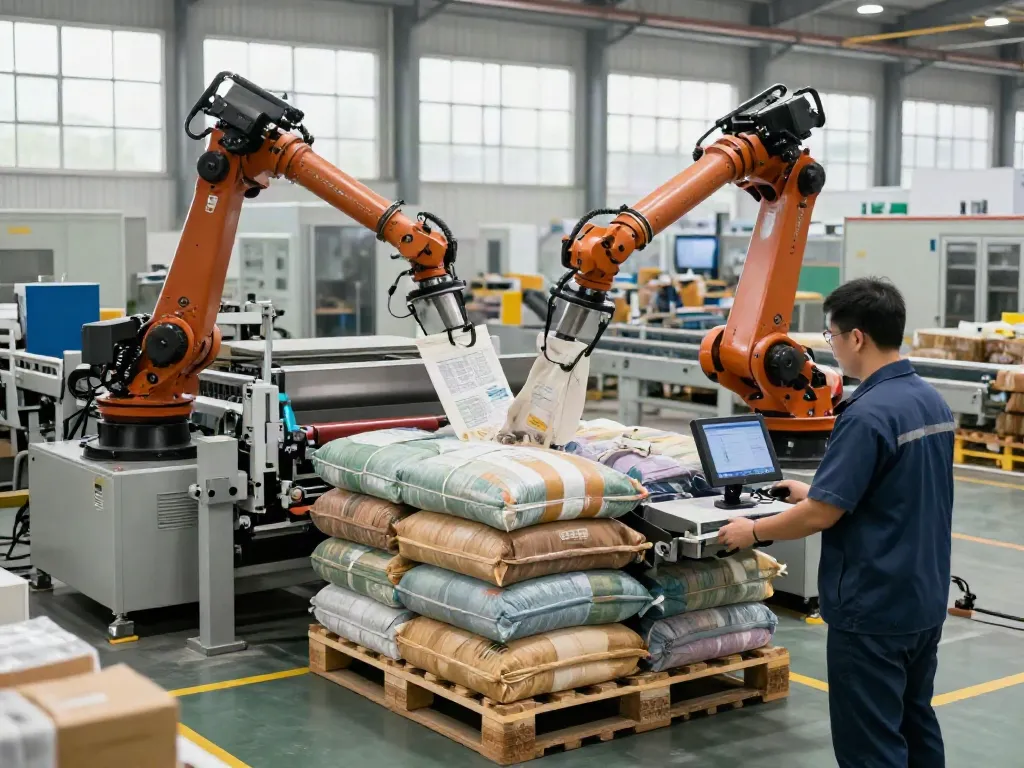
Bag palletizing automation typically involves a series of conveyor systems, robotic arms, and software controls that work together to move bags from the production line to the pallet. Sensors monitor the position and condition of each bag, ensuring precise placement on the pallet for optimal stability.
What Are the Features of Modern Palletizers?
Modern palletizers offer features such as adjustable speed settings, compatibility with various bag types, real-time monitoring systems, and data analytics capabilities. These functionalities enable manufacturers to tailor operations to specific production needs while enhancing overall productivity.
Can I Customize an Automatic Bag Palletizer?
Yes, many manufacturers offer customization options for automatic bag palletizers. Businesses can tailor various aspects, including load sizes, bag types, and integration capabilities, to align with their specific operational requirements.
What Industries Use Bag Palletizers?
Bag palletizers are utilized across numerous industries, including food and beverage, chemicals, building materials, and agriculture. Any sector that requires bulk packaging and palletizing can benefit from the efficiency and precision of automatic palletizing systems.