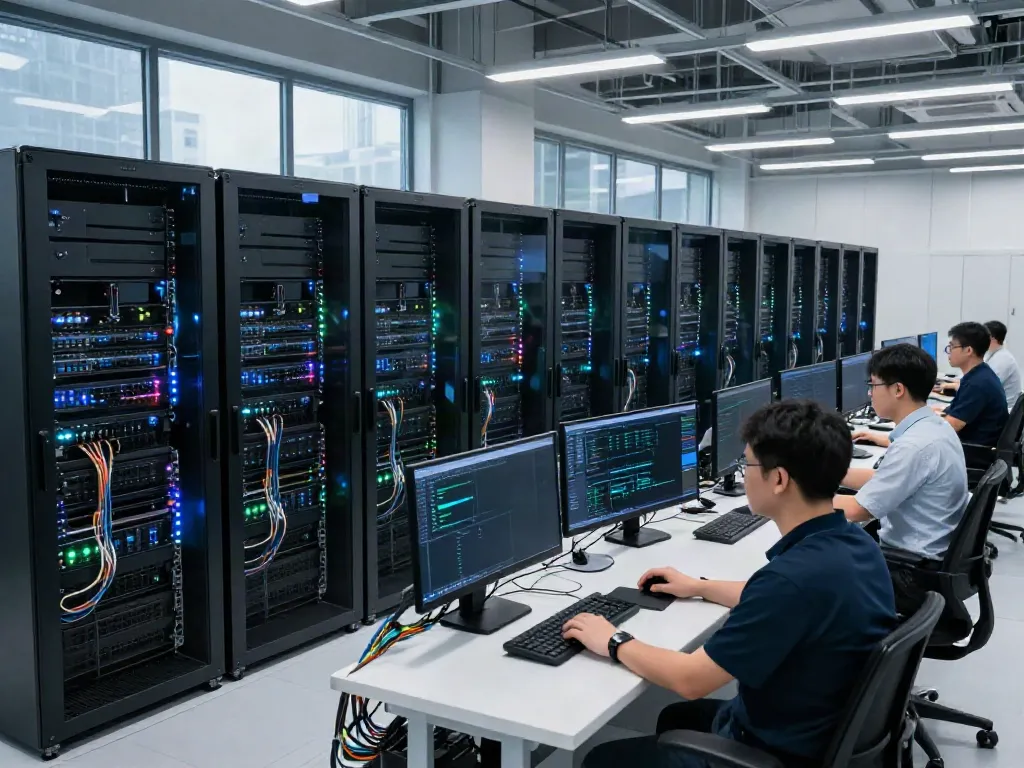
The Evolution of AI Data Centers
As artificial intelligence continues to permeate various sectors, the infrastructure supporting these technologies has had to adapt significantly. The rise of AI applications has led to a new era of data centers, specifically designed to meet the unique demands of AI processing. Understanding these specialized facilities is crucial for stakeholders invested in the AI landscape. When exploring options, AI data center provide comprehensive insights into the necessary infrastructure needed for intensive AI operations.
Understanding AI Data Center Architecture
AI data centers are built upon a different architectural foundation compared to traditional data centers. They require high-density computing power, specialized cooling mechanisms, and advanced networking capabilities to handle the massive data influx associated with AI workloads. These facilities leverage Graphics Processing Units (GPUs) rather than conventional Central Processing Units (CPUs), enabling them to process data in parallel, which is essential for machine learning and deep learning applications.
Key Differences Between Traditional and AI Data Centers
The primary differentiating factor between traditional data centers and AI data centers lies in the workload they handle. Traditional data centers often accommodate a variety of applications including web hosting and database management, whereas AI data centers focus exclusively on training and serving AI models. This distinction necessitates not only a robust power supply but also intricate power management strategies to ensure efficiency and reliability.
The Role of AI in Modern Data Center Operations
Integrating AI into data center management is becoming increasingly vital. AI can optimize energy usage, predict potential outages, and improve overall operational efficiency. By employing machine learning algorithms, data centers can analyze historical data patterns to anticipate future demands, thus enhancing resource allocation and minimizing waste.
Why Power Matters to AI Data Centers
Power consumption is a critical aspect of AI data centers, as they are inherently energy-intensive environments. The demand for electricity to support GPU operations, cooling systems, and auxiliary services greatly impacts operational costs and sustainability practices. Effectively managing power supply not only optimizes performance but also ensures compliance with environmental standards.
Energy Efficiency Best Practices
Implementing energy-efficient practices is fundamental to the sustainability of AI data centers. Techniques such as advanced cooling technologies, energy recapture systems, and high-efficiency power supplies can drastically reduce energy consumption. Additionally, leveraging AI algorithms to manage energy flow can lead to more responsive and adaptable energy use according to real-time workload needs.
Renewable Energy Solutions for AI Infrastructure
As concerns about climate change grow, transitioning to renewable energy sources becomes essential for data centers, especially those dedicated to AI. Utilizing solar and wind energy not only reduces the carbon footprint but can also lead to cost savings in the long term. By investing in green energy solutions, AI data centers can ensure they operate sustainably while meeting the high-energy demands of AI processing.
Cost Implications of Power Supply in AI Operations
Understanding the cost implications of power supply is crucial for the financial viability of AI data centers. High electricity costs can significantly erode profit margins, particularly for facilities operating at full capacity. Therefore, a strategic approach to power agreements and supply sourcing can help mitigate these costs, allowing for greater investment in essential technologies and personnel.
Building a Scalable AI Infrastructure
Scalability is a defining feature of AI infrastructure, enabling organizations to grow their capabilities in tandem with technological advancements and market opportunities. Effective capacity planning, along with a flexible architecture, is necessary to support evolving demands.
Designing for Growth: Capacity Planning
Capacity planning involves forecasting future needs based on anticipated data growth and AI model complexity. Data centers must design their physical space and compute resources to accommodate this growth, ensuring that scalability does not compromise performance or cost efficiency.
Integrating Edge Computing with Centralized Data Centers
The integration of edge computing with centralized AI data centers is accelerating. By processing data closer to the source, organizations can achieve lower latency and improved bandwidth efficiency. This hybrid approach empowers data centers to manage large AI workloads while also supporting real-time analytical processing across distributed networks.
Utilizing Cloud Solutions for Enhanced Scalability
Cloud solutions offer a flexible and cost-effective means of scaling AI infrastructure. Organizations can benefit from on-demand resource allocation, allowing them to expand or contract compute power based on immediate requirements without the need for extensive capital investment in physical assets.
Performance Metrics for AI Data Centers
To gauge the effectiveness of AI data centers, relevant performance metrics must be established. These metrics help organizations understand operational efficiencies and areas for improvement.
Key Performance Indicators (KPIs) in AI Operations
Key Performance Indicators (KPIs) such as power usage effectiveness (PUE), cooling efficiency, and overall throughput need to be regularly monitored. By analyzing these metrics, data centers can identify performance bottlenecks and optimize their operations accordingly.
Using AI Tools for Infrastructure Monitoring
AI-driven monitoring tools are revolutionizing how data centers track their performance. These tools can automatically detect anomalies, predict equipment failures, and optimize system configurations—ensuring that AI operations run smoothly and efficiently.
Benchmarking Against Industry Standards
Comparing performance metrics to industry standards allows AI data centers to assess their effectiveness relative to peers. Benchmarking can highlight areas where a data center may lag and encourage investments in technology or practices that drive efficiency.
The Future of AI Data Centers
The landscape of AI data centers is poised for significant evolution as new technologies emerge and the demand for AI capabilities expands. These changes will shape the future of operations and infrastructure design.
Emerging Technologies Impacting AI Infrastructure
Technologies such as quantum computing, advanced semiconductor materials, and next-generation networking solutions are expected to reshape AI data centers. Understanding how these innovations can be integrated will be key for organizations aiming to stay ahead of the curve.
Predictive Maintenance and Operational Efficiency
Predictive maintenance driven by AI algorithms can help data centers reduce downtime and maintenance costs. By anticipating when components are likely to fail, organizations can proactively address issues before they disrupt operations.
Trends Shaping the AI Data Center Landscape in 2026
As we look forward to 2026, several trends will define the AI data center landscape. These include a greater emphasis on energy efficiency, the acceleration of AI-driven applications, and an increasing reliance on hybrid cloud environments as organizations seek flexible, scalable solutions.
What is an AI data center?
An AI data center is a facility specifically designed to provide high-performance computing resources necessary for processing and deploying AI workloads. These centers focus on harnessing GPUs for parallel processing, which is essential for training complex AI models.
Where are most AI data centers located in the US?
The majority of AI data centers in the US are concentrated in regions with access to ample energy resources, advanced infrastructure, and favorable climates for cooling. States such as Texas, Virginia, and Washington have emerged as key locations due to their electric grids and investment in data center infrastructure.
Who is the largest AI data center?
As of 2026, one of the largest AI data centers is operated by Google Cloud in The Dalles, Oregon. This facility is renowned for its advanced technology and capacity to handle extensive AI workloads, making it a crucial player in the AI data center ecosystem.
What does Trump say about data centers?
Former President Trump has emphasized the need for robust infrastructure to support burgeoning technologies like artificial intelligence. His administration highlighted the role of data centers in fostering economic growth and competitiveness in the digital age.
Why do we need AI data centers?
AI data centers are vital for managing and processing the immense volumes of data generated by AI technologies. They provide the computational power necessary for training algorithms, enabling real-time analytics and decision-making, which is essential for businesses striving to leverage AI for competitive advantage.