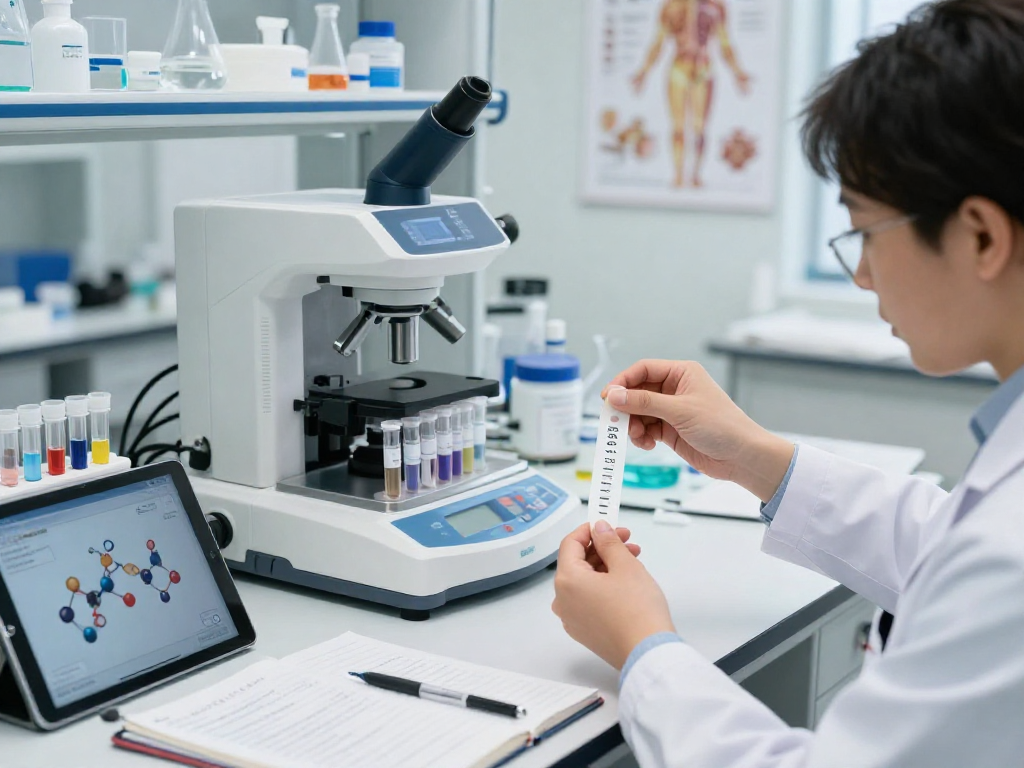
Understanding BPC 157: The Basics of This Powerful Compound
In the realm of modern therapeutics, BPC 157 stands out as a pivotal compound, known for its remarkable healing properties and wide applications. This peptide, derived from a natural protein found in the gastric juice of humans, has captured the attention of researchers and health enthusiasts alike. As we navigate through the complexities of health innovations, understanding the fundamentals of BPC 157 is essential to unlocking its potential benefits.
What is BPC 157 and How Does It Work?
BPC 157, or Body Protective Compound 157, is a peptide composed of 15 amino acids. It is known for its unique ability to promote healing in various tissues, including muscles, tendons, and ligaments. The mechanism of action of BPC 157 is multifaceted; it promotes angiogenesis, the formation of new blood vessels, which is crucial for tissue repair. Furthermore, BPC 157 modulates inflammatory responses, enhancing the body's natural healing processes.
Historical Context: The Development of BPC 157
The journey of BPC 157 traces back to the early 1990s, when it was first isolated by researchers in Hungary. Initially explored for its protective effects on the gastrointestinal tract, further studies revealed its broader therapeutic potential. Over the years, ongoing research has supported its application in sports medicine and regenerative therapies, solidifying BPC 157’s reputation in the health and wellness space.
Comparative Analysis: BPC 157 vs. Traditional Compounds
When comparing BPC 157 to traditional compounds such as NSAIDs (non-steroidal anti-inflammatory drugs) or corticosteroids, the differences in therapeutic outcomes are striking. While NSAIDs may alleviate pain, they often have side effects that can hinder long-term use. In contrast, BPC 157 not only aids in pain relief but also accelerates healing without the adverse effects associated with conventional medications.
Scientific Benefits of BPC 157
The body of research surrounding BPC 157 illustrates its versatile applications, particularly in the field of tissue repair and inflammation. As more studies emerge, understanding these benefits becomes imperative for individuals seeking alternative therapeutic options. When exploring options, BPC 157 Benefits provides comprehensive insights into its potential roles in health management.
Enhanced Healing Properties: Tissue Repair and Recovery
BPC 157 is renowned for its ability to accelerate the healing of various types of tissues. Clinical studies have demonstrated its effectiveness in healing tendons, ligaments, and muscles, making it particularly valuable for athletes who experience injuries. For instance, a study published in 2014 highlighted BPC 157’s role in enhancing tendon-to-bone healing, thus reducing recovery time significantly.
Anti-inflammatory Effects: How BPC 157 Reduces Swelling
One of the hallmark benefits of BPC 157 is its anti-inflammatory properties. It works by inhibiting pro-inflammatory cytokines, which are responsible for swelling and pain during the healing process. This dual action not only alleviates symptoms but also promotes a more efficient recovery mechanism.
Potential Benefits for Gut Health: Recent Findings
Emerging research suggests that BPC 157 can play a significant role in gastrointestinal health. Studies indicate its potential for healing gut mucosa, thereby alleviating conditions such as inflammatory bowel disease (IBD). Its capacity to protect the gastrointestinal lining may also prevent the side effects commonly associated with NSAIDs.
Application Methods: How to Use BPC 157 Effectively
Utilizing BPC 157 effectively requires an understanding of its application methods. With various formats available, consumers must select the most appropriate method to harness its benefits fully.
Types of Delivery: Buccal Strips vs. Other Forms
BPC 157 can be delivered through several methods, including injections, oral tablets, and buccal strips. Buccal strips, in particular, offer a unique advantage due to their rapid absorption through the mucous membranes in the mouth, which allows for quicker onset of action compared to traditional oral tablets or even injections. This method caters to those seeking convenience without sacrificing efficacy.
Dosage Guidelines: Recommendations for Optimal Benefits
Though research is still ongoing, general guidelines suggest a dosage of BPC 157 ranging from 200 to 500 micrograms per day, depending on the condition being treated. Consulting with a healthcare professional is crucial to tailor the dosage to individual health needs and response.
Common Misconceptions: Addressing Safety and Efficacy
A common misconception surrounding BPC 157 is that it poses safety risks comparable to those seen with other compound therapies. However, extensive studies have shown a favorable safety profile, with minimal side effects reported. It is vital for users to obtain BPC 157 from reputable sources to ensure product quality and safety.
Real-World Case Studies: Success Stories with BPC 157
As the scientific community continues to explore the benefits of BPC 157, anecdotal evidence from individuals provides valuable insights into its real-world efficacy.
Athlete Recovery: Real Users’ Testimonials
A number of professional athletes have turned to BPC 157 for recovery from injuries. Testimonials highlight that its use has enabled them to return to their sports more quickly, with some reporting reduced soreness and enhanced performance levels. These personal accounts underscore the peptide's growing acceptance in athletic circles.
Clinical Trials: Studies Highlighting BPC 157 Benefits
Numerous clinical trials have explored the benefits of BPC 157, particularly in the context of post-surgery recovery or injury rehabilitation. These studies have consistently demonstrated reduced healing time and improved outcomes for patients, validating its role in modern medicinal practices.
Integrating BPC 157 into Health Regimens: Patient Experiences
Individuals incorporating BPC 157 into their health routines have reported significant improvements in joint health and overall mobility. Many users find that when BPC 157 is combined with physical therapy, it enhances recovery outcomes, making it a valuable addition to rehabilitation programs.
The Future of BPC 157: Trends and Predictions for 2026
As we look toward 2026, the future of BPC 157 appears promising, driven by continued research and increasing acceptance in various health sectors.
Emerging Research: What’s Next for BPC 157?
Ongoing research is expected to unveil further benefits of BPC 157, particularly in neurological applications and its potential to mitigate neurodegenerative conditions. Studies are also investigating its role in enhancing cognitive function, which could catapult it into the realm of mental health therapeutics.
Market Trends: The Rise of Precision Compounds
The growing trend toward precision medicine emphasizes the need for compounds like BPC 157, which offer tailored therapeutic options. This shift is likely to enhance consumer awareness and drive demand for innovative delivery methods, such as buccal strips.
Expert Insights: Industry Leaders Discuss BPC 157
Industry experts are beginning to recognize BPC 157 as a game-changer in the field of regenerative medicine. Conferences and publications are increasingly featuring discussions on its applications, which will further establish its presence in both clinical and athletic medicine.
What Are the Regulatory Considerations for BPC 157?
As with any emerging compound, regulatory scrutiny remains a crucial factor. Understanding the legal landscape surrounding BPC 157 will be vital for consumers and practitioners alike, ensuring that the benefits are accessible while maintaining safety standards.
How Will BPC 157 Transform Health Strategies?
The integration of BPC 157 into health strategies is poised to alter the landscape of recovery and rehabilitation. For more information, BPC 157 Benefits offers valuable insights. It emphasizes a shift toward regenerative therapies that prioritize natural healing mechanisms, promising to enhance recovery outcomes across various populations.