Understanding the Glass Cutting Machine Technology
Glass cutting machines are essential tools in various industries, providing precise, efficient, and safe solutions for handling glass materials. As a significant element in the manufacturing, construction, and artistic sectors, understanding how these machines function and the types available is fundamental for professionals seeking quality and reliability in their projects. When exploring options, glass cutting machine play a crucial role in ensuring accuracy and consistency.
What is a Glass Cutting Machine?
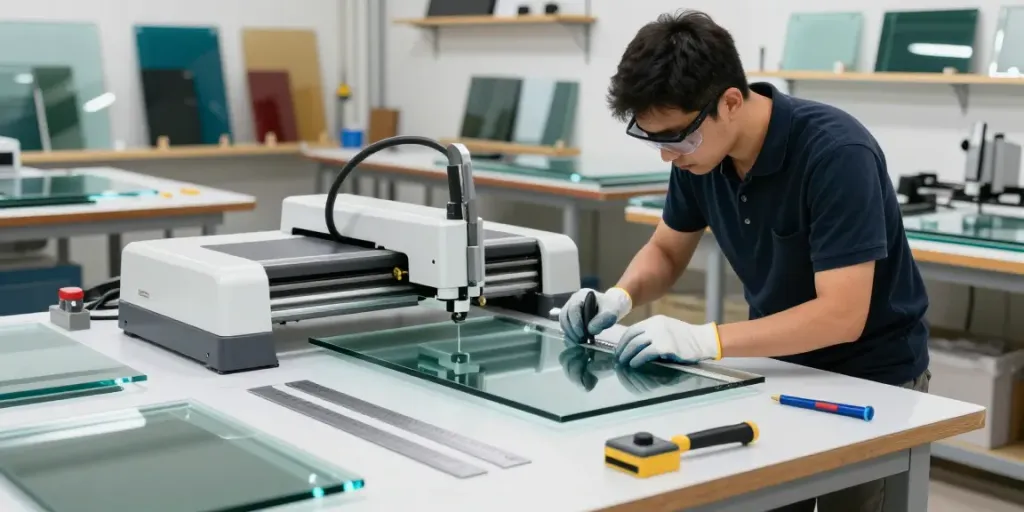
A glass cutting machine is designed to cut glass sheets into various shapes and sizes with precision. Unlike traditional manual cutting tools, these machines automate the process, reducing the margin for error and increasing productivity. There are various methods of cutting glass, including scoring, breaking, and laser cutting, each tailored to specific project requirements. Understanding these methods aids in determining which machine is best suited for particular tasks.
Types of Glass Cutting Machines Available
There are several types of glass cutting machines on the market, each offering unique features and capabilities. Some common types include:
- Manual Glass Cutting Machines: These are typically hand-operated tools designed for smaller projects. They require skilled operators to achieve optimal results.
- Automatic Glass Cutting Machines: These machines are equipped with advanced technology that automates the cutting process, ensuring high precision and speed.
- CNC Glass Cutting Machines: Utilizing computer numerical control (CNC), these machines allow for intricate designs and high-volume production with minimal human intervention.
- Water Jet Cutting Machines: Ideal for thicker glass, these machines use high-pressure water jets to cut through materials without creating heat-affected zones.
- Laser Cutting Machines: Offering extreme precision, laser cutting machines use focused light beams to cut glass, making them suitable for detailed designs.
Key Features to Look for in a Machine
When selecting a glass cutting machine, various features are crucial to consider:
- Precision: The accuracy of cuts will impact the overall quality of the finished product.
- Speed: Higher speed can significantly improve productivity, especially in commercial settings.
- Ease of Use: User-friendly interfaces and automation can minimize training time and operational errors.
- Compatibility: Ensure that the machine can handle the specific types and thicknesses of glass required for your projects.
- Safety Features: Look for machines equipped with safety guards, emergency stop buttons, and other protective measures to ensure operator safety.
The Benefits of Using a Professional Glass Cutting Machine
Utilizing a professional glass cutting machine offers numerous advantages, enhancing both the production process and product quality. Industries across the board are recognizing these benefits, which include increased efficiency, precision, and safety.
Increased Precision and Efficiency
One of the primary benefits of modern glass cutting machines is the level of precision they offer. Advanced cutting technologies, like CNC and laser cutting, provide superior accuracy compared to manual methods. This precision minimizes waste of raw materials and ensures that each cut meets specific project requirements, ultimately leading to greater efficiency in production.
Safety Features for Operators
In working environments where glass is cut, safety is paramount. Professional glass cutting machines come with a range of safety features designed to protect operators. These may include protective enclosures, automatic shut-off systems, and specialized cutting techniques that reduce the risk of injury from shards or operational mistakes.
Cost-Effectiveness Over Time
Investing in a high-quality glass cutting machine can be cost-effective in the long run. Although the initial investment might be significant, the reduction in labor costs, waste, and improved output quality contribute to overall savings. Moreover, machines designed for longevity and durability can further enhance their value over time.
Best Practices for Operating Glass Cutting Machines
To maximize the benefits of glass cutting machines, operators must follow best practices for setup, maintenance, and operation. This ensures that the machines function optimally and continue to produce high-quality results.
Proper Setup and Calibration Techniques
Correctly setting up and calibrating a glass cutting machine is crucial for achieving accurate cuts. Operators should carefully follow the manufacturer's guidelines for installation, taking care to ensure that all components are securely in place and functioning correctly. Regular calibration checks are necessary to maintain precision, especially when switching between different types of glass or cutting techniques.
Regular Maintenance Tips
Maintaining a glass cutting machine involves routine inspections and servicing to keep it in top working condition. Operators should regularly clean the machine to prevent the buildup of dust and debris, which can affect performance. Additionally, lubricating moving parts and checking for wear and tear can prolong the machine's lifespan and prevent costly repairs.
Common Mistakes to Avoid When Cutting Glass
When operating glass cutting machines, some common mistakes can lead to poor results or accidents. Operators should avoid:
- Using dull blades or cutting tools, which can produce inaccurate cuts and increase the risk of breakage.
- Neglecting to wear appropriate personal protective equipment (PPE) when handling glass materials.
- Overloading the machine beyond its specified capacity, which can damage the equipment and lead to injuries.
- Failing to conduct regular maintenance checks, which can cause gradual performance decline.
Future Trends in Glass Cutting Technology for 2026
The glass cutting industry is continually evolving, driven by advancements in technology and changing market demands. Understanding emerging trends can help businesses stay competitive and enhance their operational efficiency.
Emerging Technologies in Glass Cutting
In 2026, we can expect to see significant advancements in glass cutting technology, including the increased use of artificial intelligence (AI) and machine learning. These technologies enable machines to learn from previous cutting patterns, improving efficiency and precision. Innovations such as smart sensors that monitor the cutting process in real-time can also enhance quality control and reduce waste.
Sustainability Trends in Glass Manufacturing
As sustainability becomes a priority for manufacturers, the glass cutting industry is also moving towards more environmentally friendly practices. This includes the development of machines that utilize less energy and produce less waste, as well as the increased recycling of glass materials in production processes. Businesses adopting these practices may find themselves with a competitive edge.
Predictions for Market Growth and Innovations
The glass cutting market is expected to grow significantly due to a rising demand in construction, automotive, and decorative sectors. Innovations in materials and cutting techniques will contribute to this growth, enabling manufacturers to offer more versatile and robust solutions.
FAQs About Glass Cutting Machines
As the industry continues to grow, many questions arise concerning the functionality, maintenance, and applications of glass cutting machines. Here are some frequently asked questions:
What materials can a glass cutting machine handle?
Most glass cutting machines are designed specifically for cutting glass, but some can also handle materials like acrylic and plexiglass, depending on the machine's specifications.
How do I maintain my glass cutting machine?
Regular maintenance involves cleaning the machine, checking for damage, lubricating moving parts, and conducting periodic calibrations to ensure accuracy and performance.
What is the average cost of a professional glass cutting machine?
The cost of a glass cutting machine can vary significantly based on its type, features, and brand, ranging from a few hundred to several thousand dollars for high-end models.
Can I use a glass cutting machine for DIY projects?
Yes, smaller and manual glass cutting machines are often suitable for DIY projects, while larger machines may be better suited for industrial applications.
What safety precautions should I take when using these machines?
Always wear appropriate PPE, such as safety goggles and gloves. Operate the machine according to the manufacturer's guidelines and ensure that all safety features are functional before starting work.