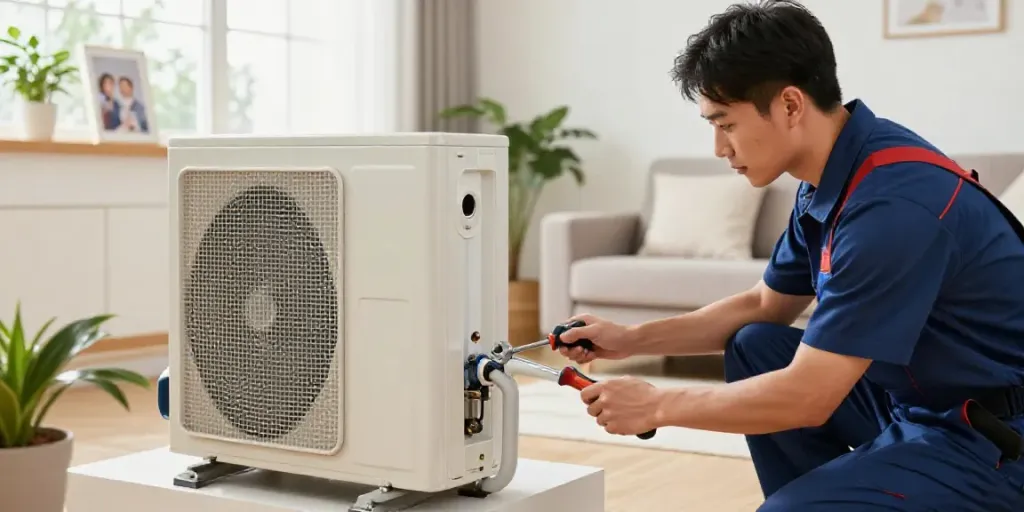
Understanding the Benefits of Heat Pumps
As homeowners increasingly seek energy-efficient solutions, heat pumps and gas heater replacements have become a focal point in the conversation about modern heating systems. Transitioning from traditional gas heaters to heat pumps can significantly impact efficiency, cost savings, and environmental sustainability. This article explores the multitude of benefits associated with heat pumps, guiding homeowners through the intricacies of making a change.
When exploring options, Heat Pumps & Gas Heater Replacement provides comprehensive insights that can help you make an informed decision regarding your home heating needs.
What Makes Heat Pumps an Effective Replacement?
Heat pumps operate on a simple principle: they transfer heat from one place to another rather than generating heat through combustion. This makes them an effective replacement for gas heaters, as they can provide both heating and cooling solutions, depending on the season. Unlike gas heaters, which rely on fossil fuels, heat pumps use electricity and are often significantly more efficient, as they can deliver up to three times more energy than they consume.
Energy Savings Compared to Gas Heaters
One of the most compelling advantages of heat pumps is their energy efficiency. According to the U.S. Department of Energy, heat pumps can reduce energy consumption by approximately 30-60% compared to traditional gas heating systems. The Seasonal Energy Efficiency Ratio (SEER) and the Heating Seasonal Performance Factor (HSPF) are two critical ratings that measure the efficiency of heat pumps. Newer models often achieve SEER ratings above 20, indicating optimal performance and lower electricity bills.
Environmental Impact and Efficiency Ratings
In an era of climate change awareness, choosing a heat pump over a gas heater contributes to a reduction in greenhouse gas emissions. Heat pumps generate less carbon dioxide because they rely on electricity rather than burning fossil fuels. Many regions are also moving towards renewable energy sources, making heat pumps even more attractive, as they can be powered by solar or wind energy. Understanding efficiency ratings is crucial when selecting a heat pump; always look for ENERGY STAR® certified models to ensure optimal performance and lower environmental impact.
Evaluating Your Home’s Heating Needs
Before making the switch from gas heaters to heat pumps, it’s essential to evaluate your home’s heating needs thoroughly. Homeowners should consider insulation quality, layout, and climate when determining the suitability of a heat pump.
Assessing Home Insulation and Layout
Improper insulation can lead to significant energy losses, negating the efficiency benefits of heat pumps. Conducting an energy audit can help assess insulation levels in walls, attics, and basements. If your home lacks proper insulation, addressing these issues before installing a heat pump can maximize efficiency. Additionally, the layout of your home should also be analyzed to ensure that the heat pump can effectively distribute warm air throughout.
Determining the Right Size Heat Pump
Choosing the right size heat pump is crucial to achieving optimal comfort and efficiency. An undersized unit may struggle to keep your home warm during colder months, while an oversized unit can lead to increased energy costs and reduced efficiency. Consulting with HVAC professionals to determine the appropriate size based on your home’s square footage, insulation, and climate is essential.
Common Myths About Heat Pumps
Several myths surround heat pumps that can lead to misconceptions about their effectiveness. One common myth suggests that heat pumps do not work well in colder climates; however, modern cold-climate heat pumps are designed to operate efficiently in temperatures well below freezing. Another misconception is that heat pumps are too expensive to install. While the initial investment may be higher, the long-term savings on energy bills often offset the cost over time.
The Installation Process Explained
Replacing a gas heater with a heat pump involves several critical steps to ensure proper installation and functionality. Understanding this process can help homeowners navigate their options more effectively.
Key Steps in Replacing a Gas Heater with a Heat Pump
The installation process generally begins with an assessment of the existing system and a discussion of the homeowner’s needs. After selecting a suitable heat pump, the old gas heater will be removed, and the new heat pump system will be installed. This often involves retrofitting the ductwork or installing new ductless systems, depending on the home’s layout.
Choosing the Right HVAC Professional
Selecting a qualified HVAC professional is crucial for the successful installation of a heat pump. Look for certified and insured contractors with experience in heat pump systems. Obtaining multiple quotes and checking references can help ensure you make the right choice. A reputable professional will also provide a detailed estimate that includes all necessary components, labor costs, and any potential additional work.
Permits and Regulations to Consider
Before installation, homeowners must check local building codes and regulations that may require permits for HVAC installations. Failure to obtain the necessary permits can result in fines and complications during the installation process. A qualified HVAC professional should be aware of local regulations and can assist in securing the required permits.
Cost Considerations for Replacement
When weighing the decision to replace a gas heater with a heat pump, cost considerations play a significant role. Understanding the initial investment versus potential long-term savings is vital for homeowners.
Initial Investment vs. Long-term Savings
While the upfront cost of a heat pump can be higher than that of traditional gas heaters, the energy savings over time can be substantial. According to the U.S. Department of Energy, the average homeowner can save between $300 to $1,000 annually by switching to a heat pump, depending on usage, local energy costs, and climate. These savings can quickly offset the initial investment, making heat pumps a financially sound choice in the long run.
Financing and Incentives Available
Many homeowners are unaware of the financing options and incentives available for heat pump installations. Government programs, utility rebates, and tax credits can significantly lower the cost of purchasing and installing a heat pump. Researching local and federal programs can provide additional financial relief, making this energy-efficient upgrade more accessible.
Average Costs of Heat Pump Installation in 2026
The average cost of heat pump installation in 2026 varies significantly based on the size of the home, the type of heat pump, and installation requirements. Typically, homeowners can expect to pay between $3,500 and $7,500 for installation, including the unit and labor. However, complex installations may exceed this range. It's crucial to obtain multiple estimates from different contractors to ensure competitive pricing.
Future Trends in Heating Technologies
As technology continues to advance, several trends are shaping the future of heating solutions. Understanding these trends can help homeowners stay informed and prepared for upcoming changes in HVAC technology.
Innovations in Heat Pump Technology
The heat pump market is witnessing significant innovations aimed at enhancing efficiency and performance. Variable-speed compressors, smart thermostats, and advanced refrigeration methods are some technologies being integrated into modern heat pumps to improve comfort and energy efficiency. These innovations allow heat pumps to adapt to changing weather conditions, resulting in more consistent temperatures and reduced energy consumption.
Smart Home Integration and Automation
With the rise of smart home technologies, heat pumps are increasingly being designed to integrate seamlessly with home automation systems. Homeowners can control their heat pumps remotely, set schedules, and receive maintenance alerts through smartphone apps, enhancing convenience and efficiency.
What to Expect in HVAC Advances by 2027
Looking ahead to 2027, HVAC technologies are expected to focus on sustainability and reduced environmental impact. Innovations such as solar-assisted heat pumps and systems utilizing geothermal energy are gaining traction. Furthermore, advancements in artificial intelligence will likely lead to smarter systems that can predict homeowners' heating needs based on usage patterns and weather forecasts, optimizing efficiency and comfort.
Is it worth replacing a gas furnace with a heat pump?
For many homeowners, the benefits of replacing a gas furnace with a heat pump far outweigh the drawbacks. Beyond energy savings and environmental benefits, heat pumps offer flexibility in heating and cooling, enhanced comfort, and lower maintenance costs. However, individual circumstances, including climate and home insulation, should be considered when making this decision.
What is the best heat pump and furnace combo system?
The ideal heat pump and furnace combination will vary based on regional climate conditions and individual preferences. A dual-fuel system, which pairs a heat pump with a gas furnace, can provide optimal performance in various weather conditions, ensuring comfort year-round while maximizing energy efficiency.
What is the major disadvantage of a heat pump system?
While heat pumps offer many advantages, they come with some disadvantages. In colder climates, their efficiency can decrease as outdoor temperatures drop, leading to increased reliance on auxiliary heating sources. Additionally, the initial installation costs can be high, posing a barrier for some homeowners. However, advancements in technology are addressing many of these concerns.
What is the average cost of a heat pump replacement?
The average cost of heat pump replacement varies widely based on factors such as the type, size, and efficiency of the unit, as well as the complexities of the installation. Homeowners can expect to invest between $3,500 and $7,500, with the potential for additional costs related to modifications or ductwork adjustments.
How long do heat pumps last compared to gas heaters?
Heat pumps generally have a longer lifespan compared to traditional gas heaters, with many units lasting 15-20 years with proper maintenance. For more information, Spa Filter & Chemical Sydney offers valuable insights. Regular servicing and timely repairs can help extend the life of both heating systems, but heat pumps, with their fewer moving parts, often experience less wear over time.