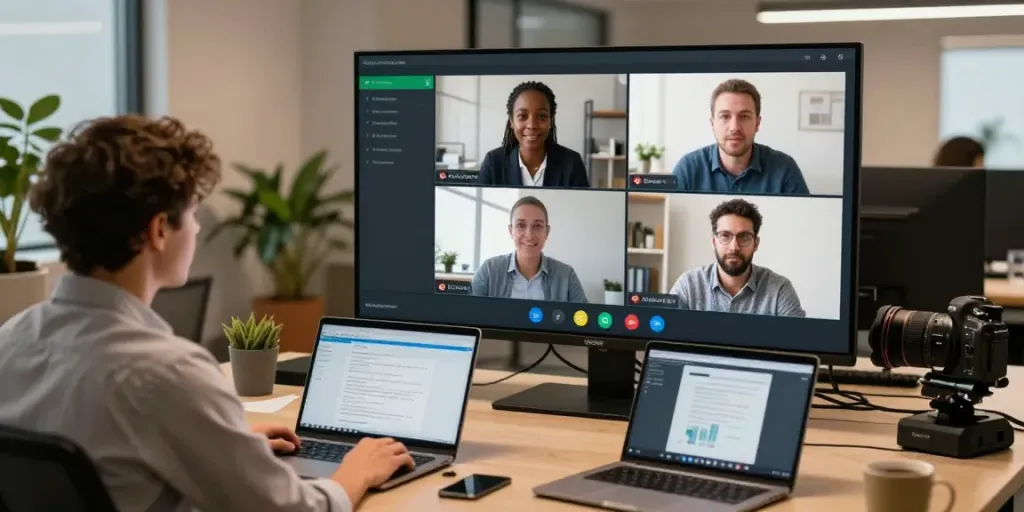
Understanding Deepfake Technology and Its Implications
As technology continues to evolve at an unprecedented pace, the rise of artificial intelligence (AI) has brought along revolutionary advancements, including deepfake technology. Deepfakes, which are audio or visual content that has been manipulated using AI algorithms to create realistic but fake representations, pose significant risks, particularly in the realm of virtual conferencing. With the prevalence of remote work and digital communication platforms, understanding deepfake technology and its implications has become crucial for businesses and individuals alike. When exploring options, Deepfake protected Conferencing provides comprehensive insights into safeguarding communication channels from such threats.
What are Deepfakes?
Deepfakes utilize machine learning techniques, particularly deep learning, to synthesize realistic-looking media. This technology can generate images, audio, or videos that can convincingly replace the likeness of a person, often leading to severe ethical and legal concerns. For example, deepfake videos can be created to show individuals saying or doing things they never actually did, which can have considerable repercussions in areas such as politics, business negotiations, or social interactions.
How Deepfake Technology Works
At the core of deepfake technology is a type of AI known as a generative adversarial network (GAN). This complex algorithm functions through two neural networks: a generator that creates fake media and a discriminator that evaluates the authenticity of the generated content. As these networks iterate and compete against each other, the generator improves its ability to create convincing replicas of the original media. With advancements made in this area, deepfakes are becoming increasingly sophisticated, making detection a challenging task.
Potential Risks in Virtual Conferencing
The proliferation of deepfake technology introduces significant risks in virtual conferencing settings. The possibility of impersonation during meetings poses a direct threat to corporate security. Cybercriminals can use deepfakes to impersonate executives, authorize transactions, or disseminate false information, leading to financial losses and reputational damage. Moreover, the emotional and psychological impacts on employees and stakeholders who may fall victim to such scams cannot be understated.
Deepfake Protection Strategies for Conferencing
Adopting effective deepfake protection strategies is essential for organizations looking to safeguard their virtual meetings from potential threats. Various measures can be implemented to enhance security protocols and mitigate risks associated with deepfake technology.
Implementing Authentication Measures
One of the most effective ways to protect against deepfake attacks is the implementation of robust authentication measures. This can include requiring participants to enable video during meetings, using biometric verification methods, or employing two-factor authentication. By ensuring that only authorized individuals can access meetings, organizations can significantly reduce the risk of deepfake impersonations.
Best Practices for Secure Video Calls
- Use platforms with strong security protocols, including end-to-end encryption.
- Protect meetings with unique passwords or PIN codes.
- Regularly update conferencing software to patch security vulnerabilities.
- Educate employees about the risks of deepfakes and how to recognize suspicious behavior during video calls.
Technological Solutions: Software and Tools
Several software tools are now available that focus on detecting deepfakes and ensuring the integrity of video conferencing. These tools can analyze videos for inconsistencies or artifacts indicative of manipulation. Investing in such technologies can provide an additional layer of security, safeguarding the organization against deepfake-related incidents.
Legal and Ethical Considerations Surrounding Deepfakes
The legal landscape surrounding deepfakes is rapidly evolving as lawmakers scramble to keep up with the technology’s implications. Understanding the current legislation, accountability, and future regulations is essential for organizations utilizing video conferencing in the age of deepfakes.
Current Legislation on Deepfake Usage
As of 2026, various states and countries have introduced legislation to combat the misuse of deepfake technology. Laws are being enacted to regulate the creation and distribution of deepfakes, particularly in contexts that could harm individuals or public interest, such as political advertising or defamation. Companies must stay informed about these developments to ensure compliance and avoid potential legal repercussions.
Accountability and Corporate Responsibility
Organizations are increasingly being held accountable for the security of their digital communications. It is imperative for businesses to adopt comprehensive policies that address the risks associated with deepfakes. This can involve regular training for employees, strict adherence to ethical communication practices, and clear protocols for reporting suspicious incidents.
Future Regulations and Compliance Standards
The landscape of regulations concerning deepfakes is still being shaped. As technology advances, it is expected that more stringent compliance standards will emerge. Organizations should proactively engage in discussions regarding future regulations and consider how they can incorporate these standards into their operational practices to maintain trust and transparency among stakeholders.
Real-World Applications and Case Studies
Examining real-world applications of deepfake protection strategies can provide invaluable insights for organizations. Successful implementations showcase the effectiveness of various approaches in mitigating risks associated with deepfakes.
Successful Implementations in Business Settings
Several companies have successfully integrated deepfake protection measures into their video conferencing practices. For example, a leading financial institution adopted multi-layered authentication protocols and trained its employees on recognizing deepfakes, resulting in enhanced meeting security and reduced fraud attempts.
Lessons Learned from Past Deepfake Incidents
Analyzing past incidents where deepfakes were used can reveal critical lessons for organizations. A notable case involved a CEO being impersonated in a video call, leading to unauthorized transactions. This incident sparked a company-wide initiative to bolster security protocols and educate employees about the risks associated with deepfakes.
Analyses of Video Call Security Practices
Through the assessment of various security practices adopted by organizations, several best practices have emerged. Utilizing hardware-based security measures, combined with software tools for detection, creates a multi-faceted approach that enhances the overall security posture against potential deepfake threats.
Future Trends in Deepfake Protected Conferencing
As we move towards 2026 and beyond, several trends will shape the landscape of deepfake protected conferencing. Organizations need to remain agile and adapt to these trends to safeguard their digital communications effectively.
Predictions for 2026 and Beyond
Experts predict that the sophistication of deepfake technology will continue to rise, making detection increasingly challenging. As a countermeasure, advancements in AI for authentication and detection will likely become more prevalent, offering businesses new tools to combat deepfake threats.
Emergence of New Technologies and Solutions
As the demand for deepfake protection grows, new technologies will emerge, focusing on enhancing security within virtual spaces. This may include AI-driven solutions that analyze participant behavior in real-time to identify anomalies indicative of deepfake activity.
Preparing for Evolving Security Challenges
Organizations must be proactive in preparing for evolving security challenges posed by deepfakes. This involves ongoing training, investment in advanced technologies, and a robust incident response plan that can be activated in the event of a suspected deepfake incident.
What Are the Best Practices for Deepfake Protection?
- Regularly assess and update security protocols.
- Utilize AI-driven detection tools to identify potential threats.
- Educate employees about the latest trends in deepfake technology.
How Can Businesses Ensure Secure Virtual Meetings?
To ensure secure virtual meetings, businesses should implement a comprehensive security framework that incorporates both technological and procedural safeguards. This includes using secure platforms, conducting regular training sessions, and fostering a culture of security awareness among employees.
What Technologies Are Available for Deepfake Detection?
There are many technologies available for detecting deepfakes, ranging from software that analyzes audio-visual discrepancies to machine learning models that evaluate the likelihood of content authenticity. Organizations must assess their needs and invest in solutions that align with their operational security objectives.
What Regulations Are in Place for Deepfake Usage?
As regulatory frameworks develop, businesses must keep abreast of the changes in deepfake legislation to ensure compliance. Staying informed of state and international regulations will be crucial as technology evolves and the associated risks increase.
How Can Organizations Prepare for Future Deepfake Threats?
Organizations can prepare for future threats by fostering a culture of security, investing in the latest detection technologies, implementing robust training programs, and developing clear communication protocols for incidents involving deepfakes.