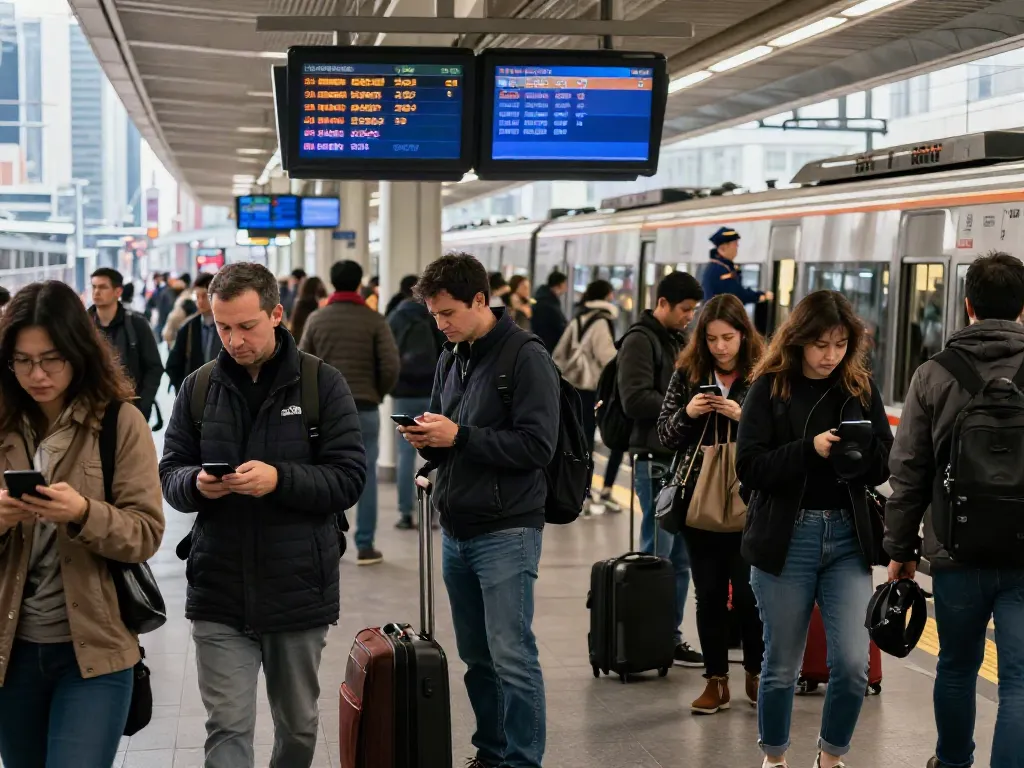
Understanding Train Delays: What Commuters Need to Know
As travelers increasingly rely on public transportation, the issue of train delays has become paramount. Understanding the underlying causes, impacts, and strategies to manage these disruptions is essential for commuters across the globe. In Italy, where a robust transport system connects cities, learning how to anticipate train delays not only reduces stress but enhances travel experiences. Tools like train delays notifications can be invaluable in keeping up-to-date with real-time information.
What Causes Train Delays?
Train delays can stem from a myriad of factors, both internal and external. Common reasons include:
- Mechanical Failure: Breakdown of trains or infrastructure can cause significant delays.
- Weather Conditions: Adverse weather, such as heavy rain or snow, can hinder train operations.
- Operational Issues: Scheduling conflicts, insufficient staffing, and strike actions can impede service.
- Passenger Emergencies: Unforeseen circumstances involving passengers, such as medical emergencies, can lead to delays.
- Construction and Maintenance Work: Upgrades and repairs to tracks or signaling systems are necessary but can disrupt service.
Impact of Train Delays on Daily Commutes
Understanding the impact of train delays on commuters is crucial. Delays not only affect punctuality but can also lead to increased stress levels, missed appointments, and financial losses, particularly for those relying on public transport for work. The ripple effects can also disrupt connecting transport services, leading to further inconvenience.
Current Trends in Train Delays for 2026
As we look forward to 2026, several trends are emerging that illustrate the changing landscape of train travel. Enhanced technology is leading to better tracking systems, but the frequency of service interruptions due to weather events and maintenance is still a significant variable. Moreover, the rise of remote work may alter commuter patterns, potentially decreasing rush-hour congestion and the associated delays.
Real-Time Updates: Staying Informed During Train Delays
In an era where information is at our fingertips, staying informed about train delays has never been easier. Many app solutions can provide real-time updates, ensuring that commuters are well-prepared and can adjust their travel plans accordingly.
Using Apps for Real-Time Train Delay Notifications
Modern apps play a crucial role in delivering timely updates on train delays. Features often include:
- Real-time Tracking: Live updates allow passengers to see the status of trains, expected delays, and even alternative routes.
- Push Notifications: Users can opt-in for alerts that notify them instantly of disruptions affecting their usual routes.
- User Feedback: Many apps allow passengers to report delays or issues, contributing to a collaborative update system.
Benefits of Setting Up Push Notifications
Enabling push notifications can revolutionize how commuters manage their time. Here's why:
- Proactive Planning: Knowing about delays before heading out can save time and reduce stress.
- Personalized Alerts: Users can customize notifications based on their travel routes or preferred modes of transport.
- Comprehensive Coverage: Notifications can include updates on all types of public transport, not just trains.
Comparing Popular Train Delay Tracking Apps
With various applications available, commuters must choose one that best meets their needs. Here are some of the top contenders:
- Trainline: A comprehensive platform with real-time updates and the ability to book tickets.
- Google Maps: Offers integrated public transport data, including live train schedules and potential delays.
- C'è Sciopero: Focused on not only train delays but also bus and metro strikes, providing timely notifications nationwide in Italy.
Future Trends: Anticipating Train Delays in 2026
Looking towards the future, technology is expected to streamline the process of anticipating and managing train delays. Here's how:
Technology's Role in Mitigating Train Delays
Advancements in technology, such as AI and machine learning, will play a pivotal role in addressing delays. Real-time data analytics can predict potential issues before they arise and optimize train schedules accordingly. This may lead to fewer delays overall and a more efficient transport system.
Potential Improvements in Train Scheduling
Future train scheduling may emphasize flexibility, allowing for dynamic adjustments based on real-time conditions. Integrating advanced algorithms can help in restructuring routes and timings to mitigate the impact of delays on passengers.
Emerging Solutions for Commuter Challenges
In addition to technological advancements, new policies and commuter-focused initiatives may emerge that target the root causes of delays. Collaborations between transport authorities and tech companies could lead to innovative solutions that enhance the overall travel experience.
Commuter Strategies: Managing Delays Effectively
While delays can be frustrating, there are proactive strategies commuters can adopt to minimize their impact.
Best Practices for Planning Your Journey
To better manage your time, consider these practices:
- Check Schedules Regularly: Always check the latest updates before you depart.
- Plan for Disruptions: Allow extra time when scheduling critical appointments or connections.
- Stay Informed: Use apps and alerts to stay updated on delays as they occur.
Alternative Transportation Options During Delays
When faced with unexpected delays, knowing your alternatives can save time:
- Carpooling: Consider carpooling with colleagues or friends as a backup option.
- Rideshare Services: Utilize rideshare apps for a quick transition when trains are delayed.
- Public Transport Alternatives: Familiarize yourself with bus or tram routes that may serve as substitutes.
How to Prepare for Unexpected Delays
Preparation is key to managing unexpected delays effectively:
- Have a Plan B: Know alternative routes and backup transport options.
- Pack Essentials: Keep necessities handy, such as snacks and water, in case of extended wait times.
- Stay Calm: Practice mindfulness and stress-relief techniques to cope with unexpected disruptions.
Expert Insights: Navigating the World of Train Delays
Incorporating expert insights into your travel planning can provide invaluable perspectives on train delays.
Interviews with Transportation Experts
Experts in the transportation field often share insights that can help commuters understand not just the 'how,' but the 'why' behind delays. Engaging with industry professionals can offer a clearer picture of systemic issues and how they are being addressed.
Case Studies of Successful Commuter Adaptations
Case studies where commuters have successfully adapted to train delays can serve as inspiration and guidance. By studying these real-life examples, you can learn practical strategies to enhance your own travel plans.
Future Predictions for Train Travel in Italy
Experts predict that with improved communication and technology integration, train travel in Italy may experience fewer delays in the future. Continuous investment in infrastructure and better regulation can lead to a more reliable transport system.
What are common reasons for train delays?
Common causes include mechanical failures, weather conditions, operational challenges, and construction work which might disrupt the normal schedule.
How can I find out about train delays in real-time?
Real-time updates can be found through dedicated apps, websites, or by following official transport authority notifications, which can provide the latest status on train delays.
What should I do if my train is delayed?
In case of a delay, check for updates via tracking apps, consider alternative routes, and review your travel plans accordingly to minimize disruption.
Are there compensation options for train delays?
Various transport authorities offer compensation for significant delays, typically requiring a formal request to be submitted along with proof of the delay.
Will train delays improve in the future?
With ongoing technological advancements and infrastructural investments, it is expected that train delays may decrease in frequency and duration in the future.