Understanding CNC Machining Parts
CNC (Computer Numerical Control) machining has revolutionized the manufacturing industry, providing unparalleled precision and efficiency in producing high-quality parts. This article delves into the essential aspects of cnc machining parts, offering insights into their definition, types, processes, and materials used.
What are CNC Machining Parts?
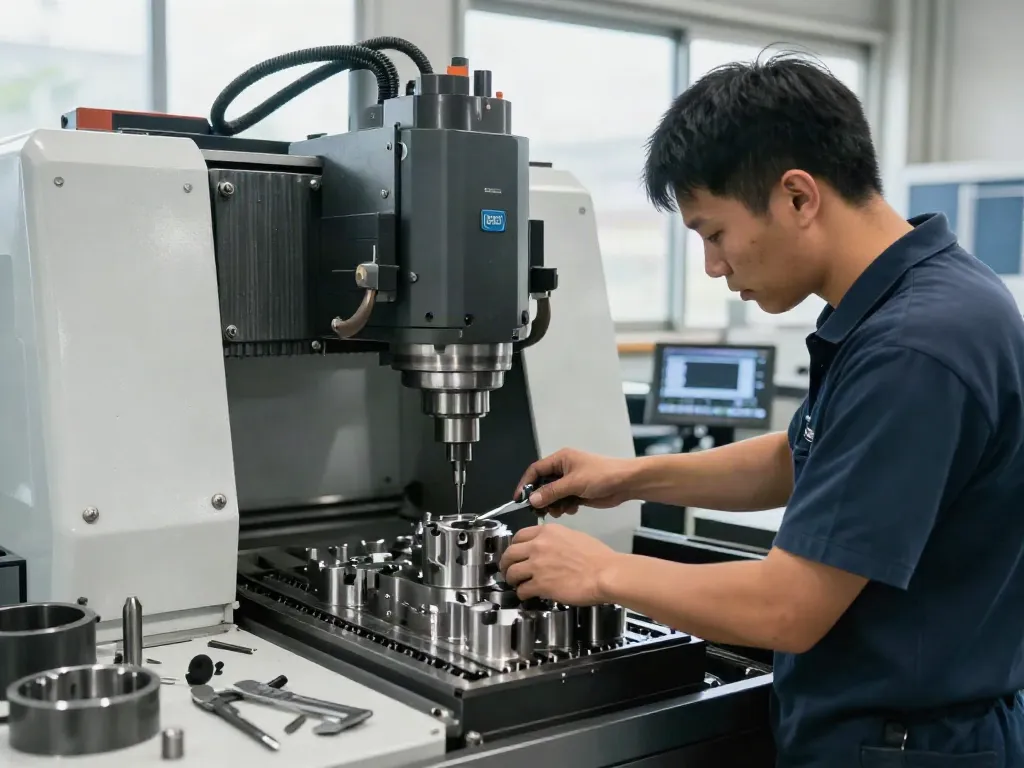
CNC machining parts are components manufactured using CNC technology. This process employs computer-controlled machines to precisely cut, shape, and fabricate materials into finished products. CNC machining is known for its ability to produce intricate designs with tight tolerances, making it ideal for industries such as aerospace, automotive, and medical.
Types of CNC Machining Processes
- CNC Milling: This involves removing material using rotating cutters to create various shapes and features.
- CNC Turning: In this process, the workpiece is rotated while a cutting tool shapes it into the desired form.
- CNC Routing: Primarily used for cutting and shaping materials like wood and plastics.
- CNC Electrical Discharge Machining (EDM): This technique removes material from conductive materials using electrical discharges.
- CNC Laser Cutting: Uses focused laser beams to cut materials with high precision.
Materials Used in CNC Machining Parts
CNC machining can handle a wide array of materials, including metals, plastics, and composites. Common materials include:
- Aluminum: Known for its lightweight and high strength-to-weight ratio, aluminum is widely used in CNC machining.
- Stainless Steel: Resistant to corrosion and wear, stainless steel is ideal for durable and high-strength components.
- Brass: Easy to machine and excellent for aesthetic components due to its bright finish.
- Plastics: Materials like nylon, polycarbonate, and acrylic are often used for prototypes and low-volume production.
Benefits of CNC Machining in Manufacturing
CNC machining provides several advantages over traditional manufacturing methods, making it a favored choice for modern manufacturers.
High Precision and Accuracy
One of the most significant benefits of CNC machining is its ability to produce parts with extreme accuracy. The use of computer numerical control ensures that every movement is calculated, resulting in parts that meet tight tolerances.
Cost-Effectiveness Over Time
While the initial setup cost for CNC machining can be high, the long-term savings are substantial. Once the machines are programmed, they can produce large quantities of parts with minimal labor costs, reducing per-unit expenses significantly.
Customization and Flexibility
CNC machining allows for easy modifications in design through software updates. This flexibility enables manufacturers to adapt quickly to changing market demands or client specifications without incurring substantial costs.
Common Challenges in CNC Machining
Despite its many advantages, CNC machining is not without challenges that manufacturers must address.
Material Limitations and Selection
Choosing the right material is critical to the success of CNC machining. Some materials may not be suitable for specific processes, leading to inefficiencies or increased wear on machinery.
Maintaining Equipment and Calibration
Regular maintenance and calibration of CNC machines are essential to ensure optimal performance. Over time, wear and tear can lead to inaccuracies, necessitating frequent checks and adjustments.
Understanding Tolerances and Specifications
Accurate communication of tolerances and specifications between design and manufacturing teams is crucial. Misunderstandings can lead to production errors, resulting in wasted materials and increased costs.
Best Practices for CNC Machining Parts Production
Implementing best practices in CNC machining production can significantly enhance efficiency and product quality.
Pre-Production Steps and Planning
Careful planning is critical before commencing production. This stage includes selecting materials, designing part specifications, and programming machines, all of which can prevent potential issues during manufacturing.
Quality Assurance Techniques
Quality assurance is vital in CNC machining. Techniques such as regular inspections, testing samples, and using statistical process control (SPC) help maintain high-quality standards throughout production.
Effective Workflow Management
Streamlining workflow processes can help reduce downtime and increase productivity. Employing lean manufacturing principles can enhance efficiency by minimizing waste and optimizing resource use.
Future Trends in CNC Machining for 2026
As technology advances, several trends are expected to shape the future of CNC machining.
Advancements in Automation and AI
Integrating automation and artificial intelligence into CNC machining processes can significantly boost productivity. Advanced machines equipped with AI can optimize operations, predict maintenance needs, and learn from previous production runs.
Eco-Friendly Manufacturing Practices
The push for sustainability will likely influence CNC machining in 2026. Manufacturers are expected to adopt eco-friendly practices, such as reducing waste and using recyclable materials, to minimize their environmental footprint.
Impact of Industry 4.0 on CNC Machining
Industry 4.0, characterized by interconnected smart technologies, is transforming manufacturing. CNC machines will increasingly be connected to the Internet of Things (IoT), enabling real-time monitoring and data collection for improved decision-making.
What are the benefits of CNC machining services?
CNC machining services offer numerous benefits, including increased precision, reduced human error, and enhanced repeatability, making them essential for high-volume production.
How can I reduce costs in CNC machining parts production?
To minimize costs, manufacturers can consider optimizing their designs for manufacturability, selecting cost-effective materials, and planning production runs efficiently to maximize machine utilization.
What is the typical turnaround time for CNC machining orders?
Turnaround times vary based on complexity and quantity, but many manufacturers can deliver parts within a few days to a couple of weeks, depending on the specific requirements.
What precision standards are used in CNC machining?
Precision standards in CNC machining vary, but common tolerances range from ±0.005 inches to ±0.0001 inches, depending on the application and material.
How do I choose the right CNC machining service provider?
Choosing the right provider involves assessing their experience, production capabilities, quality assurance measures, and customer reviews to ensure they align with your specific needs and standards.