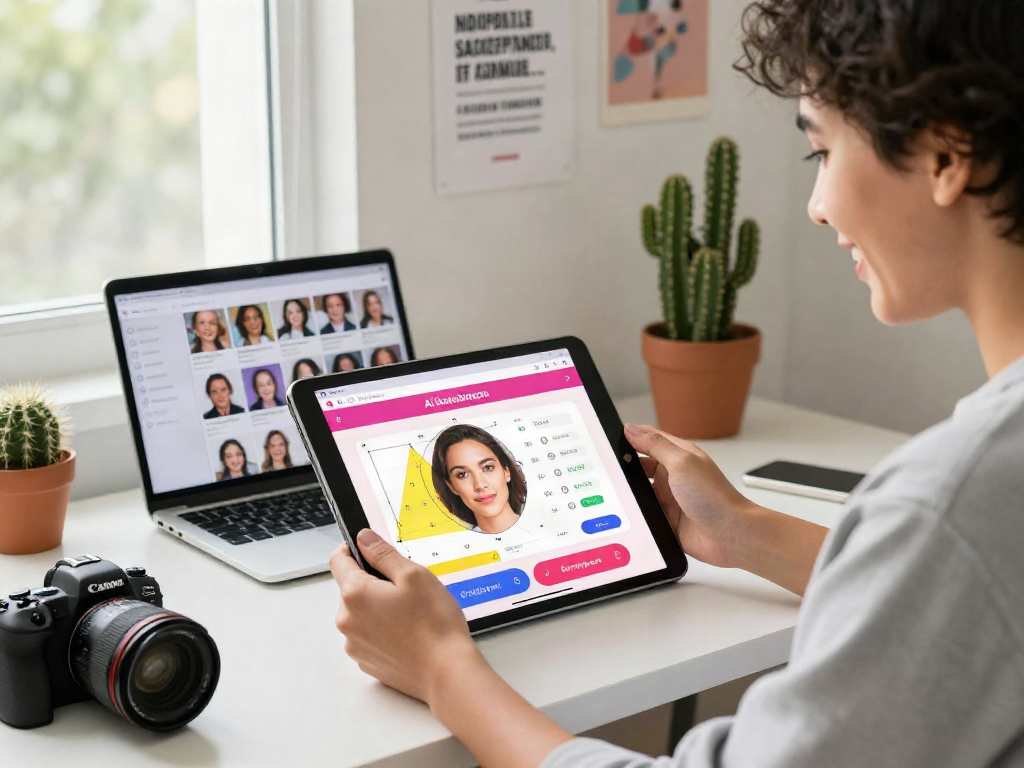
The Rise of Age Estimation Technology in 2026
As we step into 2026, the landscape of technology is evolving rapidly, bringing forth innovative solutions that impact our daily lives. One significant development in this era is the rise of age estimation technology, which utilizes advanced artificial intelligence to analyze facial features and predict biological age. This technology has gained immense popularity as individuals become increasingly curious about how they are perceived by others. When exploring options, how old do I look provides comprehensive insights into this phenomenon, allowing users to engage with their own aging perceptions.
What is Age Estimation Technology?
Age estimation technology involves the use of algorithms and machine learning models to assess a person's age based on visual data, primarily from facial images. This technology has gained traction due to its ability to provide instant results, removing the uncertainty associated with traditional methods of age assessment. By analyzing factors such as skin texture, wrinkles, and facial symmetry, AI systems can deliver surprisingly accurate age predictions.
How AI is Changing the Perception of Age
Artificial intelligence is not just enhancing the accuracy of age estimation; it is also reshaping how society perceives age itself. With the capability to offer personalized feedback on appearance, users are encouraged to reflect on their aging process positively. Moreover, this technology empowers individuals to make informed decisions regarding skincare, lifestyle changes, and even cosmetic interventions based on the insights they receive.
Trends in Facial Recognition for Age Estimation
As we look towards the future, several trends are emerging within the realm of facial recognition and age estimation:
- Increased Accuracy: Continuous improvements in AI algorithms are leading to more precise age estimations, with many tools boasting an accuracy rate of over 90%.
- Integration with Social Media: Expect to see more applications that integrate with social platforms, allowing users to share their age estimations seamlessly.
- Personalization: Tools will likely start offering customized skincare and health recommendations based on users' specific age assessments.
User Experiences with "How Old Do I Look" Tools
The rise of age estimation technologies has sparked considerable user interest, particularly in interactive applications and online platforms. As people seek to explore their perceived age, they encounter various motivations and challenges.
Understanding User Intent and Motivations
Many individuals are driven by curiosity, wanting to see how their appearance aligns with societal standards of age. Others may use these tools as a means to validate their efforts in maintaining youthfulness through skincare and lifestyle choices. The ability to receive immediate feedback on one's appearance can be both exciting and reassuring.
Common Challenges Faced by Users
Despite the innovative nature of age estimation tools, users often face challenges. Common issues include:
- Inconsistencies in Results: Variability in results across different platforms can lead to frustration and confusion.
- Photo Requirements: Users may struggle with the technical requirements for optimal photo uploads, affecting result accuracy.
- Privacy Concerns: With facial image analysis, users may worry about data privacy and security.
Success Stories: Real-Life Applications
Numerous success stories highlight how age estimation tools have positively impacted users' lives. For instance, a skincare brand may use age estimation to target products to specific age groups more effectively. Additionally, individuals have shared their experiences of utilizing this technology as motivation for healthier lifestyle choices and personal grooming.
Best Practices for Engaging with Age Estimation Apps
To enhance user experiences with age estimation technologies, it's vital to consider several best practices when engaging with these apps.
Optimizing Photo Quality for Accurate Results
When using these applications, ensuring high-quality photos is crucial. Proper lighting, a neutral background, and a clear view of the face can significantly improve the accuracy of age predictions. Users should strive to provide images that comply with the app's specified requirements.
Privacy Considerations When Using These Tools
As with any technology that involves image processing, privacy is paramount. Users should be aware of the privacy policies of the applications they use, understanding how their data and images will be handled. Opting for tools that prioritize security can help alleviate concerns.
Ensuring Positive User Interactions
Feedback mechanisms are essential for users to share their experiences, positive or negative. Developers must ensure that user interfaces are friendly and intuitive, allowing easy navigation and interaction with the application features.
Future Trends in AI and Age Recognition
The future of age estimation technology promises exciting developments that could further revolutionize how we perceive aging.
Emerging Technologies Shaping the Future
Emerging technologies, such as augmented reality and enhanced machine learning capabilities, are likely to play a significant role in the refinement of age estimation tools. By integrating these advancements, applications can offer more engaging experiences that visualize aging effects in real-time.
How Age Estimation Tools Will Evolve
Expect continuous evolution in the functionalities of age estimation tools, with features that may include virtual aging simulations and tailored recommendations for age-related health practices. These enhancements will cater to a broader demographic, including younger users interested in preventive measures.
Predictions for User Adoption Rates
As awareness grows and technology becomes more accessible, it's anticipated that user adoption rates will soar. The increasing integration of such tools into social media and lifestyle applications could see them becoming a staple in everyday digital interactions.
Frequently Asked Questions about Age Estimation
With the growing popularity of age estimation tools, many questions arise. Here are some common inquiries:
What factors influence how old do I look predictions?
Factors such as skin condition, facial structure, and lifestyle choices greatly influence predictions. Variables like hydration, sun exposure, and stress levels can also affect perceived age.
Are there privacy risks associated with age estimation apps?
Yes, privacy risks do exist, particularly regarding how personal data is stored and used. Users should research apps thoroughly before use, ensuring they comply with privacy standards.
How accurate are the age estimates provided?
Accuracy can vary significantly between different applications, influenced by their algorithms and the quality of the input images. Many reputable apps claim accuracy rates exceeding 90% under ideal conditions.
Can I trust AI for my age estimation?
While AI has made substantial advancements in predicting age, it's essential to view results as estimates rather than definitive answers. The technology is improving, but it is not infallible.
Where can I find the best age estimator apps?
The best age estimator apps are often reviewed on various tech blogs and websites. Users are encouraged to explore their options, considering factors like user reviews, privacy policies, and available features.