Understanding Ceiling Speakers: What You Need to Know
In the world of audio solutions, ceiling speakers have emerged as a popular choice for both residential and commercial spaces. Their discreet design and impressive sound quality make them an appealing option for those aiming to enhance their audio experience without sacrificing aesthetics. Whether you're a homeowner interested in a seamless sound setup or a business looking to improve overall audio delivery, understanding the nuances of ceiling speakers can significantly influence your choice. When exploring options, اسپیکر سقفی provides comprehensive insights into the available products and technologies.
What is a Ceiling Speaker?
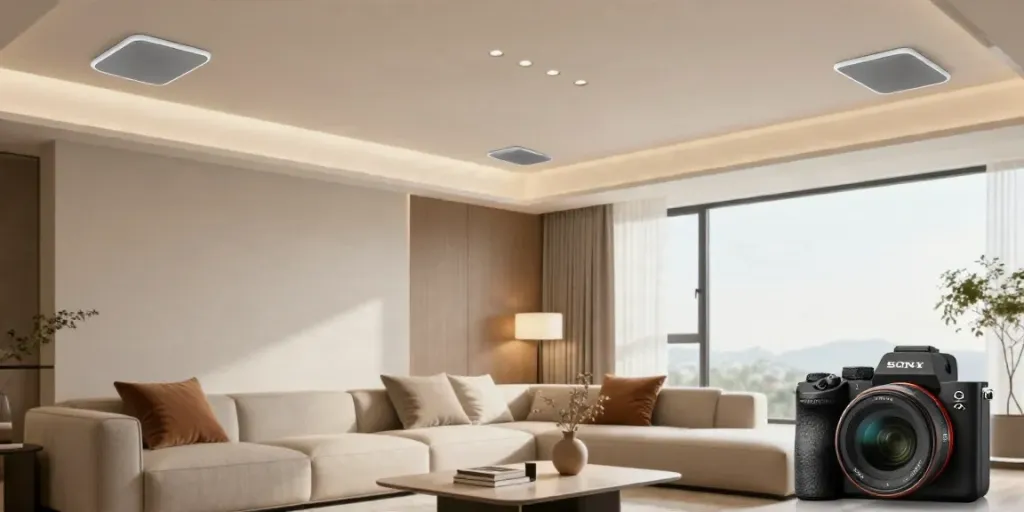
A ceiling speaker is a type of loudspeaker designed to be installed in ceilings as opposed to traditional floor-standing or bookshelf speakers. These speakers are often flush-mounted, allowing them to blend seamlessly into the ceiling structure, providing a sleek and unobtrusive appearance. Generally, ceiling speakers are used to distribute audio across a larger area, making them ideal for home theaters, commercial spaces, and even outdoor settings when properly shielded.
Advantages of Using Ceiling Speakers
- Space Saving: Ceiling speakers free up floor space and furniture layout options.
- Discreet Design: Their flush installation allows for a clean aesthetic that doesn't interfere with your decor.
- Even Sound Distribution: Positioned correctly, ceiling speakers can provide a more uniform sound across larger areas, preventing hotspots and dead zones.
- Integration with Smart Systems: Many modern ceiling speakers can easily integrate with smart home systems, providing ease of use and control.
Common Uses and Applications
Ceiling speakers are versatile devices suitable for various applications. Here are some common uses:
- Home Theater Systems: They create immersive soundscapes that can enhance the movie-watching experience.
- Background Music in Businesses: Retail stores and restaurants often use ceiling speakers to play background music, creating a pleasant atmosphere.
- Public Address Systems: In schools and auditoriums, ceiling speakers can help distribute announcements and presentations across large spaces.
Types of Ceiling Speakers: Choosing the Right Fit
Passive vs. Active Ceiling Speakers
Understanding the difference between passive and active ceiling speakers is crucial for selecting the right model for your needs.
- Passive Ceiling Speakers: Require an external amplifier or receiver to power them. They typically provide superior sound quality, and users can choose their amplification setup based on their preferences.
- Active Ceiling Speakers: Have built-in amplification, making them easier to install and use. They often come with various input options, including Bluetooth or Wi-Fi connectivity.
In-Ceiling vs. Surface-Mount Options
Choosing between in-ceiling and surface-mount options depends on your specific installation requirements and the aesthetics you aim to achieve.
- In-Ceiling Speakers: These are installed flush with the ceiling and are less visible. They are suitable for new construction or major renovations.
- Surface-Mount Speakers: Mounted on the ceiling surface, these speakers are easier to install and are often used in DIY projects or where ceiling structure limits in-ceiling installations.
Key Features to Consider
When choosing ceiling speakers, consider the following features to ensure compatibility with your audio needs:
- Size and Power Rating: Larger speakers typically produce greater sound pressure levels, while power ratings indicate how much power the speaker can handle.
- Frequency Response: A wider frequency response range means better sound reproduction across different audio frequencies.
- Mounting Options: Some models allow for easy installation in various ceiling types, whether drywall, plaster, or concrete.
- Weather Resistance: For outdoor applications, ensure the speakers are designed to withstand elements such as moisture and temperature variations.
Installation and Setup: A Step-By-Step Guide
Planning Your Speaker Layout
Before installation, planning your speaker layout is essential. Aim for an even distribution of sound across the listening area by strategically placing speakers. Typically, the recommended distance between speakers is around 6 to 10 feet, depending on the speaker's power and type.
Tools and Materials Required
To install ceiling speakers, you will need the following tools and materials:
- Drill and drill bits
- Wire cutters and strippers
- Speaker wire
- Drywall saw
- Voltage tester
- Fish tape or pull string for wire management
Common Installation Mistakes to Avoid
A few common pitfalls can complicate the installation process:
- Neglecting to check for wiring or plumbing in the ceiling before cutting.
- Inadequate testing of speaker placement during the planning phase.
- Using insufficient speaker wire gauge for the distance to the amplifier.
Smart Integration: Ceiling Speakers in the Digital Age
Connecting Ceiling Speakers to Smart Home Systems
Modern ceiling speakers can often connect to smart home systems via Wi-Fi or Bluetooth, offering ultimate convenience. This integration allows for hands-free operation and voice control, making audio management effortless.
Available Technologies: Wi-Fi, Bluetooth, and More
When considering connectivity options, here’s a quick overview of available technologies:
- Wi-Fi: Provides a stable connection with high-quality audio streaming but requires a strong network signal.
- Bluetooth: Offers easy pairing with devices but may suffer from range limitations and potential audio compression.
- Multi-Room Audio: Many systems allow you to sync multiple speakers across different rooms, enhancing your audio experience throughout your home.
Future Trends in Smart Ceiling Speakers
As technology advances, several exciting trends are emerging in the ceiling speaker market:
- Increased Voice Assistant Integration: Speakers will increasingly support voice assistants like Alexa or Google Assistant for streamlined control.
- Enhanced Acoustic Technologies: Developments in sound processing algorithms will improve audio quality and spatial awareness.
- Energy Efficiency: Future models may incorporate energy-saving capabilities, thus reducing overall consumption.
Maintenance and Troubleshooting: Keeping Your Speakers in Top Shape
Regular Maintenance Tips
To ensure optimal performance and longevity of your ceiling speakers, adhere to these maintenance tips:
- Regularly dust the speaker grilles to prevent build-up that could muffle sound quality.
- Occasionally check connections for corrosion or wear, especially in outdoor installations.
- Keep an eye on any unusual sounds, indicating potential issues.
Troubleshooting Common Issues
Should you encounter problems, here are some common troubleshooting steps:
- Ensure all connections are secure and properly wired.
- Check the audio source settings on your device for proper output.
- Look for any nearby electronic interference that may disrupt wireless signals.
When to Seek Professional Help
If you continue to experience issues despite troubleshooting, it may be time to call in a professional. Consider hiring an audio specialist, especially for complex installations or integrating advanced home automation features.
What are the benefits of ceiling speakers?
Ceiling speakers offer a plethora of advantages, including space-saving designs, better sound distribution, and integration capabilities with smart home systems, making them an excellent choice for many audio applications.
How do I choose the right ceiling speaker for my home?
Choosing the right ceiling speaker depends on various factors, including the size of your space, desired sound quality, and connection preferences. Assess your needs carefully before making a selection.
Can I install ceiling speakers myself?
While many homeowners successfully install ceiling speakers through DIY methods, it’s essential to have the right tools and knowledge to avoid costly mistakes. If in doubt, consider professional installation.
What technologies are used in modern ceiling speakers?
Modern ceiling speakers utilize various technologies including Wi-Fi, Bluetooth, and multi-room audio solutions, offering flexibility in how you connect and control your audio devices.
How do I troubleshoot my ceiling speakers?
Troubleshooting ceiling speakers typically involves checking all connections, verifying audio source settings, and ensuring there are no interference issues. Start with these basics before seeking more complex solutions.