Understanding Brain Tumors
Brain tumors represent a significant health challenge, impacting thousands of individuals worldwide each year. These tumors can manifest in various forms, some being benign, while others are malignant, requiring intricate treatment plans tailored to each patient’s specific condition. Understanding the underlying mechanisms, types, symptoms, and treatment options is crucial for patients, families, and caregivers alike. Moreover, advancements in technology and surgical techniques continue to enhance the outcomes of those undergoing beyin tümörü ameliyatı.
What is a Brain Tumor?
A brain tumor is an abnormal growth of cells within the brain or nearby structures. These masses can be classified as primary, arising directly from brain cells, or secondary, originating from cancers that have spread from other parts of the body. The classification also extends to benign tumors, which grow slowly and typically do not spread to nearby tissues, and malignant tumors, which are aggressive and can invade surrounding tissues.
Types of Brain Tumors
Brain tumors can be categorized into several types based on their origin and characteristics:
- Meningiomas: These tumors develop in the meninges, the protective layers surrounding the brain and spinal cord. They are often benign and slow-growing.
- Gliomas: These arise from glial cells and can range from low-grade tumors, which grow slowly, to high-grade tumors like glioblastoma, which are aggressive.
- Acoustic neuromas: A type of tumor that grows on the vestibular cochlear nerve, leading to hearing loss and balance issues.
- Metastatic tumors: These are secondary tumors that spread to the brain from other cancer sites in the body.
Symptoms and Diagnosis
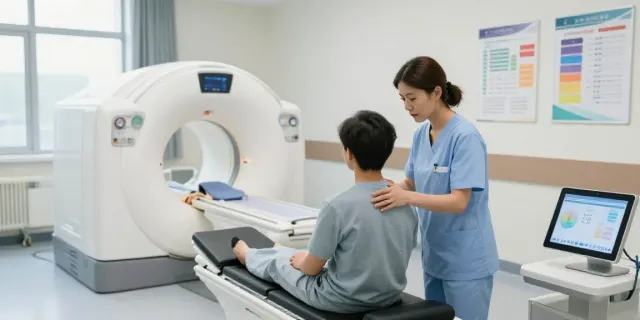
The symptoms of brain tumors can vary widely depending on the tumor's size, type, and location. Common symptoms include headaches, seizures, cognitive or personality changes, dizziness, and vision or hearing problems. Diagnosis typically involves neurological examinations, imaging studies such as MRI or CT scans, and sometimes a biopsy to determine the tumor's type and grade.
Preparing for Beyin Tümörü Ameliyatı
Before undergoing brain tumor surgery, it is essential for patients to prepare adequately to ensure the best outcomes. This preparation includes various pre-operative assessments, patient education, and emotional and physical readiness.
Pre-Operative Assessments
Prior to surgery, a comprehensive evaluation is conducted, including imaging studies, laboratory tests, and neurological assessments. These evaluations help determine the tumor's characteristics and the patient's overall health status, which are critical for planning the surgical approach.
Patient Education and Informed Consent
Informed consent is a crucial aspect of the surgical process. Patients must understand the risks and benefits of the procedure, possible alternatives, and what to expect during recovery. This knowledge empowers patients to make informed decisions regarding their treatment options.
Preparing Emotionally and Physically
Emotional preparation is as important as physical readiness. Patients may experience anxiety and fear regarding surgery and its implications. Engaging in discussions with healthcare providers, mental health professionals, or support groups can provide valuable emotional support and coping strategies.
The Surgical Procedure Explained
The surgical procedure for a brain tumor involves several key steps that ensure the safe and effective removal of the tumor while minimizing damage to surrounding healthy tissue.
Steps in Brain Tumor Surgery
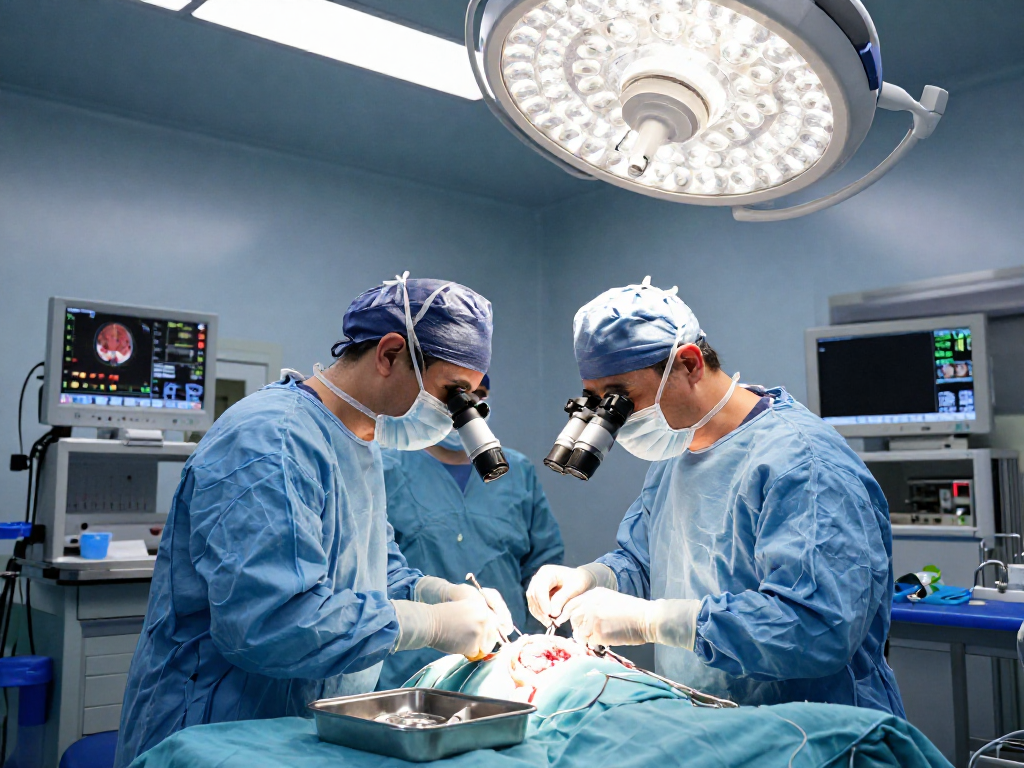
Typically, the surgery begins with the administration of anesthesia. The patient is then positioned carefully based on the tumor's location. A craniotomy, or opening in the skull, is performed to access the tumor. Advanced tools such as neuronavigation systems and intraoperative imaging are utilized to identify the tumor precisely.
Techniques Used in Surgery
Various techniques are employed during brain tumor surgery, including:
- Microsurgery: Utilizes high-powered microscopes to perform delicate dissections.
- Awake craniotomy: In certain cases, patients are kept awake during specific phases of surgery to monitor critical functions, enabling surgeons to avoid damaging essential brain areas.
- Laser therapy and stereotactic surgery: These minimally invasive techniques target tumors with precision and limit damage to surrounding tissue.
What to Expect During the Operation
Surgery duration can vary significantly, often lasting several hours. The surgical team monitors vital signs and brain activity continuously, ensuring patient safety. Post-surgery, patients are typically moved to a recovery room for close observation.
Post-Surgery Recovery
The recovery phase following brain tumor surgery is critical for optimal healing and rehabilitation. Proper monitoring and follow-up care play significant roles in this process.
Initial Recovery Phase
Immediately after surgery, patients are closely monitored in a recovery unit. This initial phase involves assessing neurological function and managing pain. Any signs of complications, such as infection or bleeding, are addressed swiftly.
Monitoring and Follow-Up Care
Follow-up appointments are essential for tracking recovery progress. Patients usually undergo imaging studies to ensure the tumor has been adequately removed and to check for any potential recurrence.
Potential Complications and Management
While many patients recover well, some may experience complications ranging from infection and bleeding to neurological deficits. Prompt management of these issues is vital to enhancing recovery outcomes.
Living with a Brain Tumor
Following a diagnosis and treatment, individuals may need to adapt to changes in their health and lifestyle. Long-term prognosis, emotional support, and access to resources are vital aspects of living with a brain tumor.
Long-term Prognosis and Monitoring
The long-term outlook for patients varies significantly based on tumor type, grade, and treatment effectiveness. Regular monitoring through imaging and clinical assessments helps to catch any recurrence early.
Emotional and Psychological Support
Living with a brain tumor can be emotionally taxing. Seeking support from mental health professionals, joining support groups, or engaging with loved ones can provide essential coping mechanisms and reduce feelings of isolation.
Resources and Support Groups
Numerous organizations provide resources and support for patients and families affected by brain tumors. For more information, beyin tümörü ameliyatı offers valuable insights. These resources can include educational materials, advocacy, and community support.