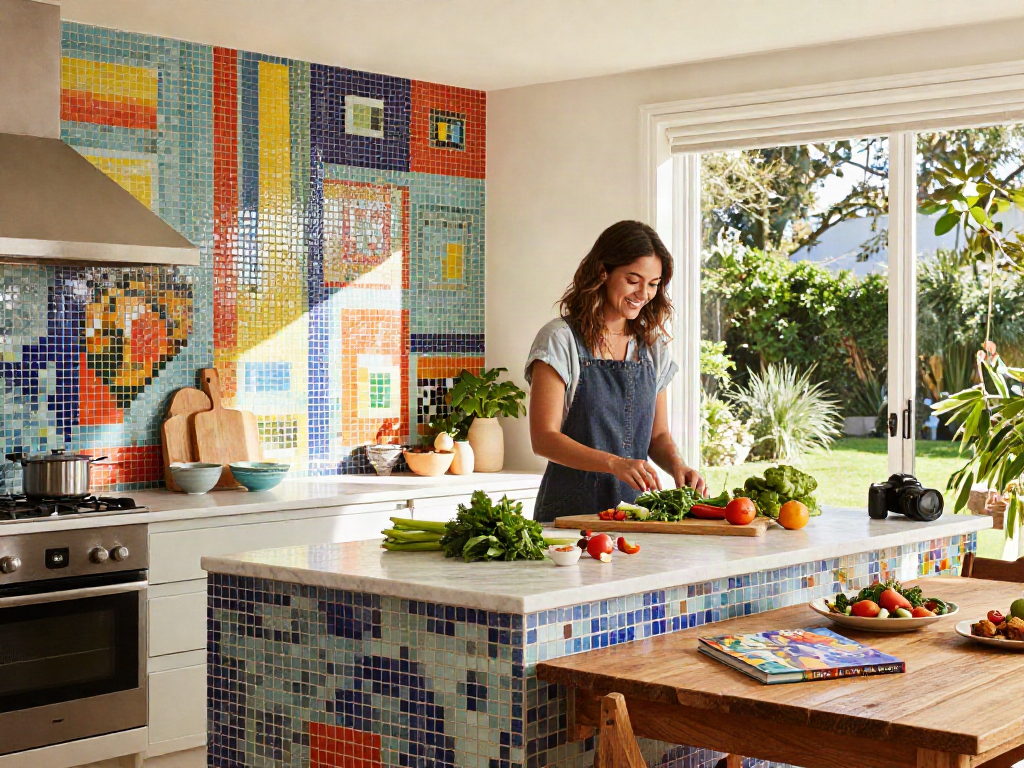
Understanding Mosaic Tiles: A Modern Home Trend
Mosaic tiles have emerged as one of the most popular choices in interior design, particularly in cities like Sydney. Their versatility, aesthetic appeal, and unique patterns allow homeowners to express their individual style while also enhancing the beauty of their living spaces. As we delve deeper into this vibrant design trend, we will explore the features, benefits, and various types of mosaic tiles available to homeowners. When exploring options, mosaic tiles sydney can provide comprehensive insights into the latest designs and materials.
What Are Mosaic Tiles and Their Features?
Mosaic tiles are small, often square or rectangular pieces of material that are pieced together to create intricate patterns or images. They can be made from various materials, including glass, ceramic, stone, and porcelain. The features of mosaic tiles include:
- Diversity of Designs: Mosaic tiles come in a wide range of colors, sizes, and textures, allowing for limitless design possibilities.
- Durability: High-quality mosaic tiles are resistant to moisture, stains, and scratches, making them suitable for high-traffic areas.
- Ease of Maintenance: Most mosaic tiles are easy to clean and maintain, with many requiring just soap and water.
- Reflective Properties: Glass mosaic tiles can enhance light in a room, making spaces feel larger and more inviting.
Benefits of Using Mosaic Tiles in Interior Design
The use of mosaic tiles in home design offers numerous advantages:
- Aesthetic Appeal: Mosaic tiles can serve as stunning focal points in rooms, contributing to a unique and artistic décor.
- Versatility: Suitable for a variety of settings, including kitchens, bathrooms, and living rooms.
- Customization: Homeowners can create personalized designs that reflect their tastes and preferences.
- Eco-Friendly Options: Many mosaic tiles are made from recycled materials, appealing to environmentally conscious consumers.
Types of Mosaic Tiles Popular in Sydney
In Sydney, several types of mosaic tiles are particularly sought after:
- Glass Mosaic Tiles: Known for their vibrant colors and reflective quality, these are ideal for bathrooms and backsplashes.
- Ceramic Mosaic Tiles: Durable and versatile, these tiles can be used in various areas of the home.
- Stone Mosaic Tiles: Available in natural stone options like marble and granite, these offer a luxurious finish.
- Porcelain Mosaic Tiles: These are denser and more durable than ceramic, making them suitable for outdoor spaces.
Choosing the Right Mosaic Tiles for Your Space
Selecting the right mosaic tiles for your home can be a daunting task due to the array of options available. However, considering key factors can simplify the decision-making process.
Factors to Consider When Selecting Mosaic Tiles
When choosing mosaic tiles, consider the following aspects:
- Location: Determine where the tiles will be installed. Wet areas like bathrooms require moisture-resistant tiles.
- Style: Match the tile design with your overall home aesthetic to create a cohesive look.
- Color Schemes: Choose colors that complement your existing decor while adding contrast or accenting certain areas.
- Texture: The texture can influence the look and feel of the space, with some textures providing additional grip.
How to Combine Mosaic Tiles with Other Design Elements
Mosaic tiles can be effectively combined with other design features:
- Wall and Floor Pairing: Use complementary colors or styles between floors and walls to create a unified space.
- Accent Pieces: Utilize mosaic tiles as accents in specific areas, such as a backsplash or feature wall.
- Fixtures: Coordinate tiles with fixtures (like faucets or lighting) to create a balanced and harmonious design.
Real-World Examples of Mosaic Tile Applications
Here are a few applications of mosaic tiles in real-world settings:
- Kitchen Backsplashes: A vibrant glass mosaic tile backsplash can become the focal point of a modern kitchen.
- Bathroom Floors: Stone mosaic tiles offer a rustic feel and excellent drainage in wet areas.
- Swimming Pools: Glass mosaic tiles are popular in pools due to their waterproof nature and aesthetic appeal.
Installation Best Practices for Mosaic Tiles
The installation of mosaic tiles requires careful planning and execution to ensure a successful outcome. Here, we provide a comprehensive guide to installing mosaic tiles correctly.
Step-by-Step Guide to Installing Mosaic Tiles
Follow these steps for a successful mosaic tile installation:
- Preparation: Prepare the surface by ensuring it is clean, dry, and level.
- Layout: Dry lay the tiles to determine the best layout before adhering them.
- Adhesive Application: Use a suitable tile adhesive, applying it evenly to the surface.
- Tile Installation: Start placing the tiles from one corner, ensuring even spacing.
- Grouting: Once the adhesive sets, apply grout and clean any excess off the tiles.
Common Mistakes to Avoid During Installation
Be mindful of these common pitfalls:
- Ignoring Surface Preparation: Failing to prep the surface can lead to poor adhesion.
- Mismatched Grout Colors: Ensure that the grout complements your tiles to avoid clashing visuals.
- Overcrowding Tiles: Avoid placing tiles too close together to prevent cracking and uneven surfaces.
Hiring Professionals vs DIY Installation: Pros and Cons
Consider the advantages and disadvantages of each option:
- Hiring Professionals: Expertise ensures a high-quality finish but can be more costly.
- DIY Installation: Cost-effective and allows for personal touch, but may lead to mistakes if inexperienced.
Maintaining and Caring for Mosaic Tiles
To preserve the beauty and longevity of mosaic tiles, regular maintenance is essential. Here are some tips for caring for your mosaic installations.
Cleaning Tips for Mosaic Tiles to Ensure Durability
Keep your mosaic tiles looking new with these cleaning strategies:
- Regular Dusting: Use a soft broom or vacuum to remove dust and debris regularly.
- Gentle Cleaners: Use pH-balanced cleaners suited for the specific tile material to avoid damage.
- Spot Cleaning: Address stains immediately with appropriate cleaning agents to prevent lasting marks.
Preventing Damage and Wear on Mosaic Surfaces
To minimize wear and tear:
- Sealants: Use sealants on porous materials to protect against stains and moisture.
- Avoid Abrasive Cleaners: Steer clear of harsh chemicals that can erode the tile surface.
- Furniture Pads: Use pads under furniture legs to prevent scratches on mosaic floors.
Long-term Care: Enhancing Longevity of Your Mosaic Tiles
Implement these measures for long-term care:
- Routine Inspections: Regularly check for cracked tiles or grout and repair promptly.
- Proper Ventilation: Ensure areas are well-ventilated to reduce moisture buildup.
- Seasonal Maintenance: Adjust cleaning and care routines based on seasonal changes and usage.
Future Trends in Mosaic Tile Design for 2026
As we look ahead to 2026, several innovative trends in mosaic tile design promise to shape the market landscape.
Emerging Styles and Innovations in Mosaic Tiles
Anticipating the coming trends, consider the following styles:
- Geometric Patterns: Expect to see a rise in bold geometric designs that offer striking aesthetics.
- Integrated Smart Technologies: New innovations will enable smart tiles that can change colors with temperature adjustments.
- Biophilic Designs: Resorting to nature-inspired patterns and colors that promote tranquility and connection with outdoors.
Sustainable Mosaic Tiles: Eco-Friendly Options
As environmental concerns grow, so does the demand for sustainable materials:
- Recycled Materials: Tiles made from recycled glass and ceramics are becoming increasingly popular.
- Low Impact Production: Companies are focusing on reducing their carbon footprints in tile production.
- Natural Finishes: Consumers are leaning toward products with natural finishes and minimal processing.
How Trends Are Shaping Mosaic Tile Choices in Sydney
In Sydney, current design trends are influencing the style and material choices for mosaic tiles:
- Local Sourcing: Increased preference for locally produced tiles to support regional craftsmanship.
- Minimalistic Designs: Clean lines and simple patterns are favored for modern homes.
- Custom Designs: Homeowners prefer bespoke options that align with their personal aesthetics.
What’s Next? Predictions for Mosaic Tile Design
As we look into the future, we can make the following predictions:
- Increased Versatility: Mosaic tiles will continue to transcend traditional uses, finding their way into outdoor and unconventional spaces.
- Integration with Technology: Smart tiles with integrated lighting and interactive features will become commonplace.
- Cross-Cultural Designs: Expect to see more fusion styles blending different cultural influences in mosaic designs.
What are the most popular uses for mosaic tiles?
Mosaic tiles are commonly utilized in various applications, including:
- Backsplashes in kitchens and bathrooms.
- Decorative elements in living spaces.
- Swimming pool interiors.
- Feature walls to create stunning visuals.
How do I properly care for my mosaic tiles?
Proper care involves regular cleaning, avoiding harsh chemicals, and using protective sealants on porous materials. Routine inspections for wear and damage are also crucial for long-term maintenance.
What trends should I look for in mosaic tiles in 2026?
Look for geometric patterns, eco-friendly materials, and technological integrations in mosaic tiles as key trends in 2026. Sustainability and custom designs will also dominate consumer preferences.
Can I install mosaic tiles myself or should I hire a professional?
While DIY installation is possible for those with some handy skills, hiring a professional will guarantee a high-quality finish and may save time and potential mistakes.
Are mosaic tiles suitable for wet areas like bathrooms?
Absolutely! Mosaic tiles are often highly suitable for wet areas, especially glass and ceramic variants that resist moisture and staining.