Introduction to the Manaslu Circuit Trek
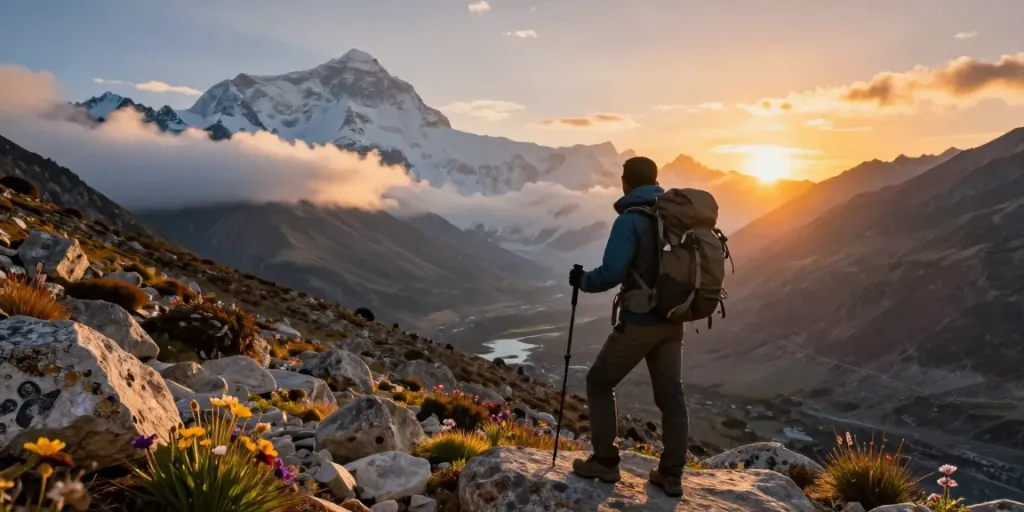
The Manaslu Circuit Trek is a breathtaking journey through one of the most pristine regions of the Himalayas. Nestled in Nepal's Gorkha District, this trek offers an unparalleled blend of stunning natural landscapes, rich cultural experiences, and a sense of adventure that appeals to trekking enthusiasts from around the globe. With the majestic Mount Manaslu, standing tall at 8,163 meters, as its centerpiece, the circuit provides trekkers with the opportunity to traverse through charming villages, lush forests, and rugged terrains, all while absorbing the deep-rooted traditions of the local Gurung and Tibetan communities.
What sets the Manaslu Circuit apart is not just its scenic beauty but also its relatively less-trodden paths, allowing trekkers to experience the tranquility of the Himalayas away from the more commercialized routes such as Everest Base Camp and Annapurna Circuit. As we delve deeper into this comprehensive guide, we will explore the unique features, preparation tips, detailed itinerary, and the essential regulations that govern this magnificent trek.
Preparation for the Manaslu Circuit Trek
Physical Fitness and Training Requirements
Embarking on the Manaslu Circuit Trek requires a moderate to high level of physical fitness. Due to the trek's altitude, varied terrain, and the daily walks averaging between 5-8 hours, it is vital for participants to prepare adequately. Engaging in a fitness regimen that includes cardiovascular exercises, strength training, and hiking practice is recommended. Preparation should ideally begin at least two months prior to the trek, with an emphasis on improving endurance and acclimatization to high altitudes.
Essential Gear and Packing List for the Trek
Equipping yourself with the right gear is paramount for a successful trekking experience. Essential items for the Manaslu Circuit include:
- Durable trekking boots with ankle support
- Layering system for clothing suited for varying weather conditions
- Backpack with a good fit for carrying personal essentials
- Water purification systems or tablets
- First-aid kit with altitude sickness medication
- Sleeping bag rated for cold weather
Make sure to also carry personal items like sunscreen, hats, and trekking poles, which can significantly enhance your comfort on the trail. Renting gear in Kathmandu can be a convenient option for those who prefer not to travel with heavy items.
Understanding Weather Conditions and Best Seasons
The best time for trekking the Manaslu Circuit is during the spring (March to May) and autumn (late September to early November). Spring highlights vibrant flora, while autumn showcases clear skies and stunning mountain views. Conversely, the monsoon season (June to August) can lead to slippery trails and increased risks of landslides, making it less ideal for trekking.
Weather in the region can be unpredictable; hence, trekkers are advised to come prepared for variations in temperature and conditions. Nighttime temperatures can plummet, so appropriate layers are essential.
The Itinerary: A Day-by-Day Breakdown
Detailed Daily Itinerary and Key Highlights
The Manaslu Circuit Trek usually spans 15 days, providing ample opportunity to explore the diverse landscapes and unique villages. A typical itinerary includes:
- Day 1: Arrival in Kathmandu and transfer to your hotel for orientation.
- Day 2: Drive to Machha Khola, experiencing scenic views along the way.
- Day 3: Trek to Jagat, take in the local culture and stunning nature.
- Day 4: Continue to Deng, navigating through picturesque landscapes.
- Day 5: Reach Namrung, with beautiful views of the surrounding peaks.
- Day 6: Trek from Namrung to Lho, visiting ancient monasteries.
- Day 7: Head to Samagaon, the gateway to the Manaslu Base Camp.
- Day 8: Acclimatization day; hike to Birendra Lake and base camp.
- Day 9: Trek to Samdo, a traditional Tibetan village.
- Day 10: Reach Dharmashala, resting before the challenging pass.
- Day 11: Cross Larkya La Pass, with breathtaking panoramic views.
- Day 12: Descend to Bimthang, enjoying the serene alpine scenery.
- Day 13: Trek to Goa, experiencing diverse landscapes and cultures.
- Day 14: Final leg of the trek to Dharapani, where you'll meet vehicles.
- Day 15: Drive back to Kathmandu, where a farewell dinner awaits.
Accommodation Options Along the Trek
Accommodation during the trek primarily includes traditional teahouses, which provide a glimpse into the local culture. Generally, trekkers will experience shared twin-room setups with basic amenities. In higher altitudes, especially at Dharmashala and Bimthang, dormitory-style rooms are common. Ensure to confirm bookings in advance to avoid any last-minute hassles.
Meals and Local Cuisine You Will Experience
Food on the trek consists mainly of local Nepali and Tibetan dishes, with options including:
- Daal Bhat (rice and lentils)
- Momos (dumplings)
- Seasonal vegetables
- Noodles and soups
Meals are typically hearty and provide the necessary energy for trekking. Teahouses usually offer a selection of hot drinks, making it easier to stay warm during colder evenings.
Navigating Permits and Regulations for the Manaslu Circuit
Required Permits for Trekking the Manaslu Circuit
To legally trek the Manaslu Circuit, several permits are required, including:
- Manaslu Conservation Area Permit (MCAP)
- Manaslu Restricted Area Permit (MRAP)
- Annapurna Conservation Area Permit (ACAP)
- Trekkers' Information Management System (TIMS) Card
It is crucial to secure these permits through a registered trekking agency, as they are mandatory for group or solo treks through the region.
Understanding the Restricted Area Regulations
As the Manaslu region is classified as a restricted area, trekkers must travel with a licensed guide. This regulation is in place to ensure safety and to minimize environmental impact, allowing the preservation of the rich natural and cultural heritage of the region.
Guidelines for Hiring Local Guides and Porters
Hiring a local guide enriches the trekking experience by providing insights into the culture, geography, and history of the area. Guides are trained and knowledgeable in handling emergencies, especially at high altitudes. Porters can also be hired to carry heavier loads, allowing trekkers to enjoy the journey with a lighter backpack.
Frequently Asked Questions About the Manaslu Circuit Trek
How Difficult is the Manaslu Circuit Trek?
The Manaslu Circuit is considered moderately challenging, particularly due to its high altitude and the variable terrain. Trekkers should be prepared for steep ascents and descents as well as the physical demands of walking long distances each day.
Is the Manaslu Circuit Trek Suitable for Beginners?
While prior trekking experience is beneficial, beginners with good fitness levels can undertake this trek. It's crucial to prepare physically and mentally before the journey, allowing for acclimatization days along the route to manage altitude sickness effectively.
What is the Estimated Cost of the Manaslu Circuit Trek?
The cost of the trek can vary based on several factors, including the season and the company chosen for the expedition. Generally, expect to spend between $1,500 to $2,500, depending on the arrangements made.
What Should I Know About Altitude Sickness?
Altitude sickness is a risk for anyone trekking at high elevations. Symptoms can include headaches, nausea, and dizziness. It is advisable to ascend slowly and allow for acclimatization days, such as the one in Samagaon.
Can I Extend My Trip Beyond the Manaslu Circuit?
Yes, many trekkers choose to extend their adventures in Nepal by exploring other regions or participating in additional activities like cultural tours, wildlife safaris, or even participating in yoga retreats.